 ENG
ENG
 INA
INA
Academic Experience and Self-Development through the Student Exchange Program at Universitas Brawijaya
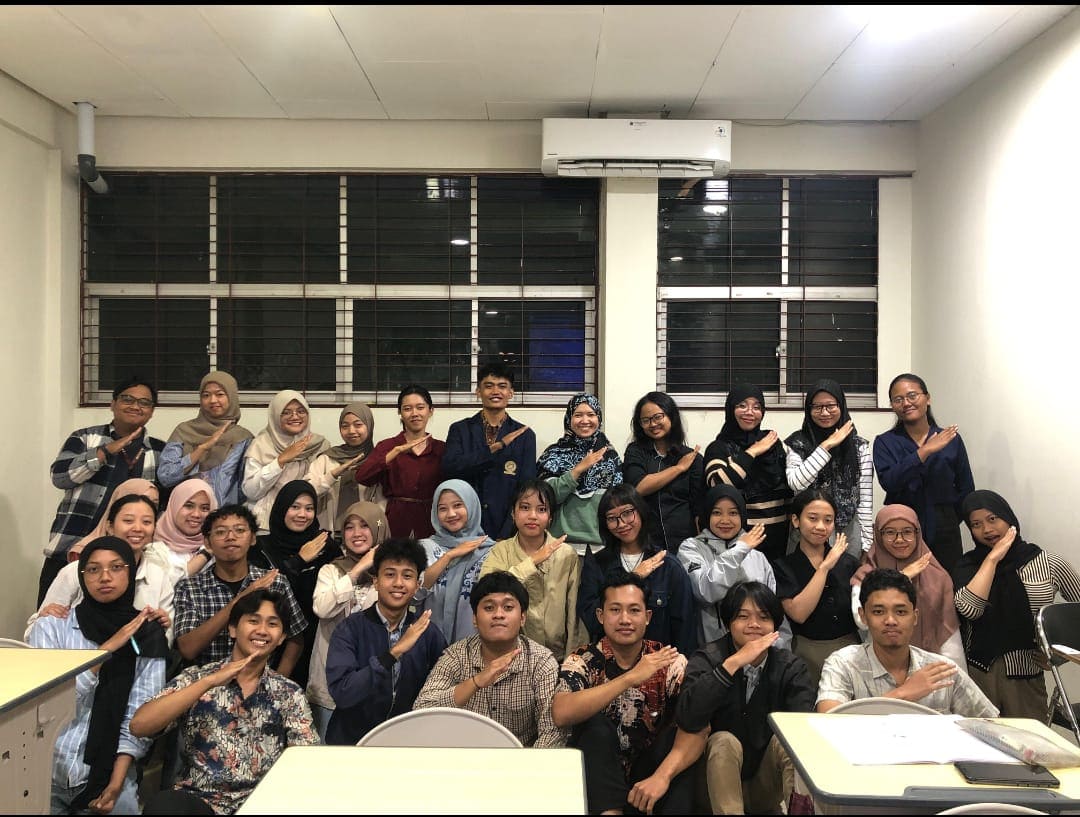
In the context of implementing the Merdeka Belajar Kampus Merdeka (MBKM) program in semester 5 of 2025, I, Rakha Rafif Alfiansyah, a student in the Japanese Literature Study Program at the Faculty of Cultural Sciences, Udayana University, have participated in the Independent Student Exchange activity organized by the Ministry of Education, Culture, Research, and Technology of the Republic of Indonesia. This activity was conducted from August 18, 2025, to December 19, 2025, at the University of Brawijaya.
1. Type and Location of MBKM Program
The MBKM program I participated in was the Independent Student Exchange Program of the Dean Consortium of the Faculty of Humanities, located at the University of Brawijaya, Malang. This program aims to provide cross-campus learning experiences, expand academic networks, and enhance student competencies in the fields of humanities and literature through learning processes, discussions, cultural activities, and related academic practicums.
2. Benefits Obtained
During my participation in this program, I obtained several benefits, both in academic and non-academic aspects. Academically, I had the opportunity to take courses not available at my home campus, deepen my knowledge about East Javanese culture, local history, and approaches to teaching Japanese. Additionally, discussions with lecturers and students from various regions provided new insights into learning methodologies and research development.
Non-academically, the program contributed to the development of communication skills, social adaptation, discipline, and collaboration skills in a multicultural environment. Interactions with students from different cultural backgrounds increased tolerance, empathy, and the ability to build beneficial academic networks for future studies or careers.
3. Description of Activities During the Program
The series of activities in this MBKM program consisted of academic and non-academic activities. Academic activities included face-to-face lectures, thematic seminars, individual or group assignments, and presentations. In the initial weeks, students were introduced to the course structure and campus environment. Subsequently, students attended regular lectures with the agreed number of Semester Credit Units (SKS).
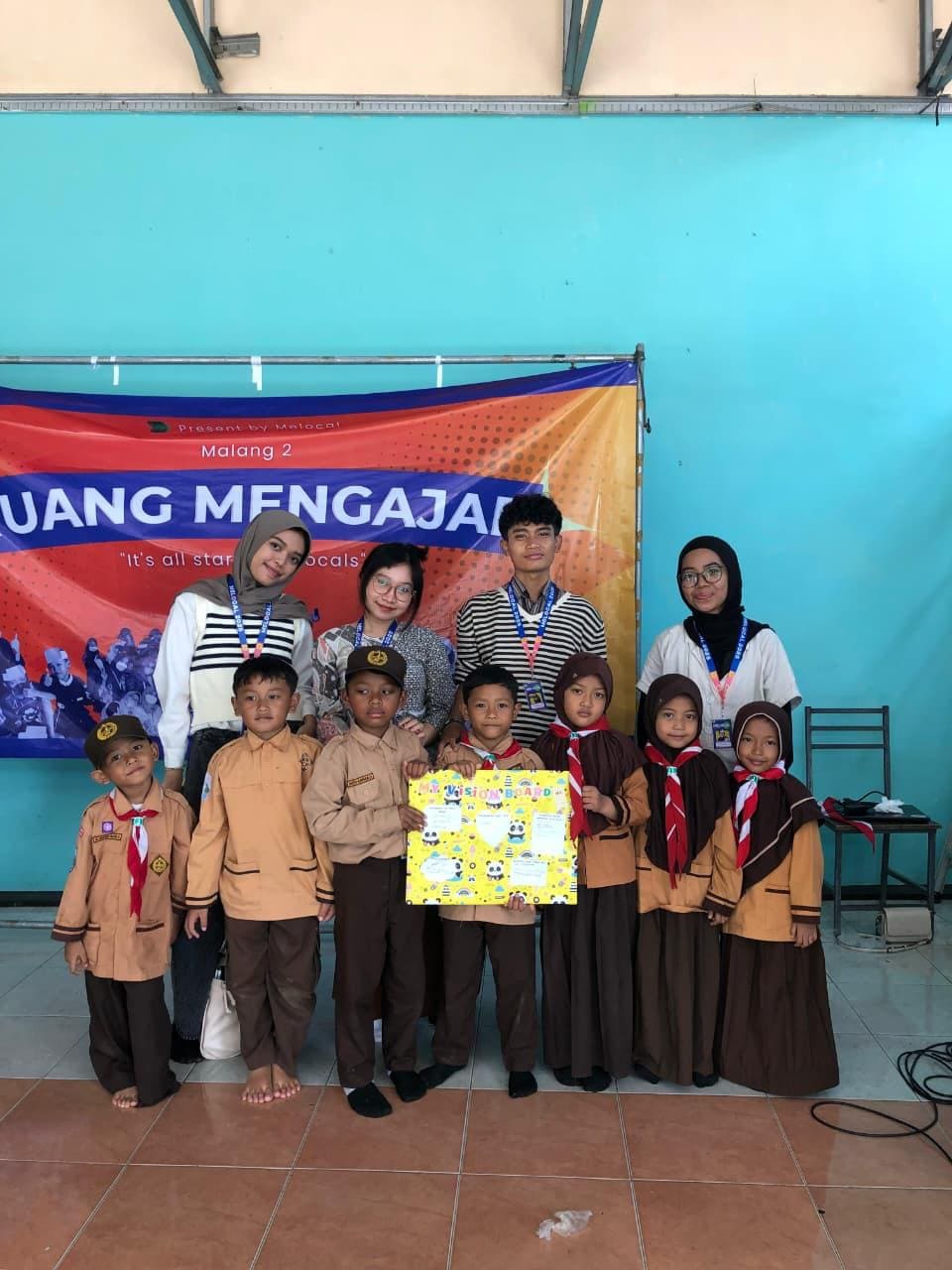
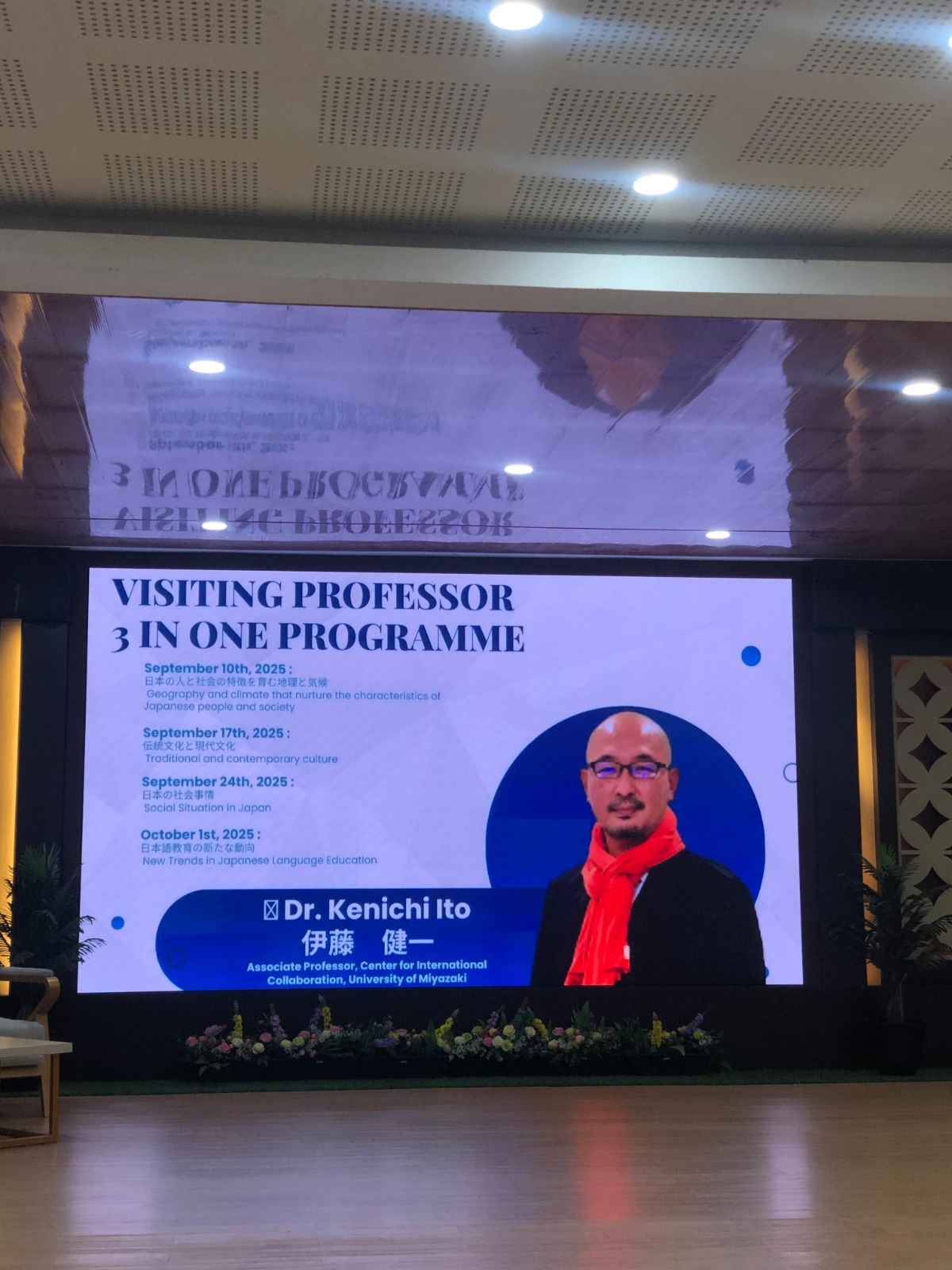
In the middle of the program, students participated in scientific seminar activities on cultural transformation and social dynamics of Japanese society, presented by Sensei Ito, a lecturer from one of the universities in Japan. Non-academic activities included the introduction to local culture through city exploration agendas, joint activities with friends from the Japanese Language Education at UB, and informal activities such as sports and spending time together.
I also had the opportunity to hike Mount Arjuno as a recreational activity after the mid-semester exams were completed. This activity not only provided entertainment but also instilled values of cooperation, solidarity, and physical and mental resilience.
4. Personal Impressions and Messages
Overall, this MBKM program provided a valuable experience. In my opinion, the combination of academic and non-academic activities made this program not only beneficial in the realm of knowledge but also in strengthening character and soft skills. The cross-campus learning experience opened my eyes to the fact that education systems, academic cultures, and perspectives of students from other regions can differ but complement each other.
I also feel that the support from the host university, teaching staff, program committee, and local students greatly assisted the adaptation process. The interactions formed during the program left a deep impression and became motivation to remain open to new experiences in the future. I hope that the MBKM program can continue to be developed, especially in providing space for collaboration among students from various faculties and regions, as well as expanding the scope of study materials to be more relevant to the needs of the times.
As a closing message, I recommend that other students participate in the MBKM program because it not only enhances academic competencies but also fosters independence, courage, and social sensitivity in students as higher education individuals.
Gallery
UDAYANA UNIVERSITY