 ENG
 INA
Celebrating Its 21st Anniversary, Japanese Studies Program Welcomes Japanese Consul General for Public Lecture
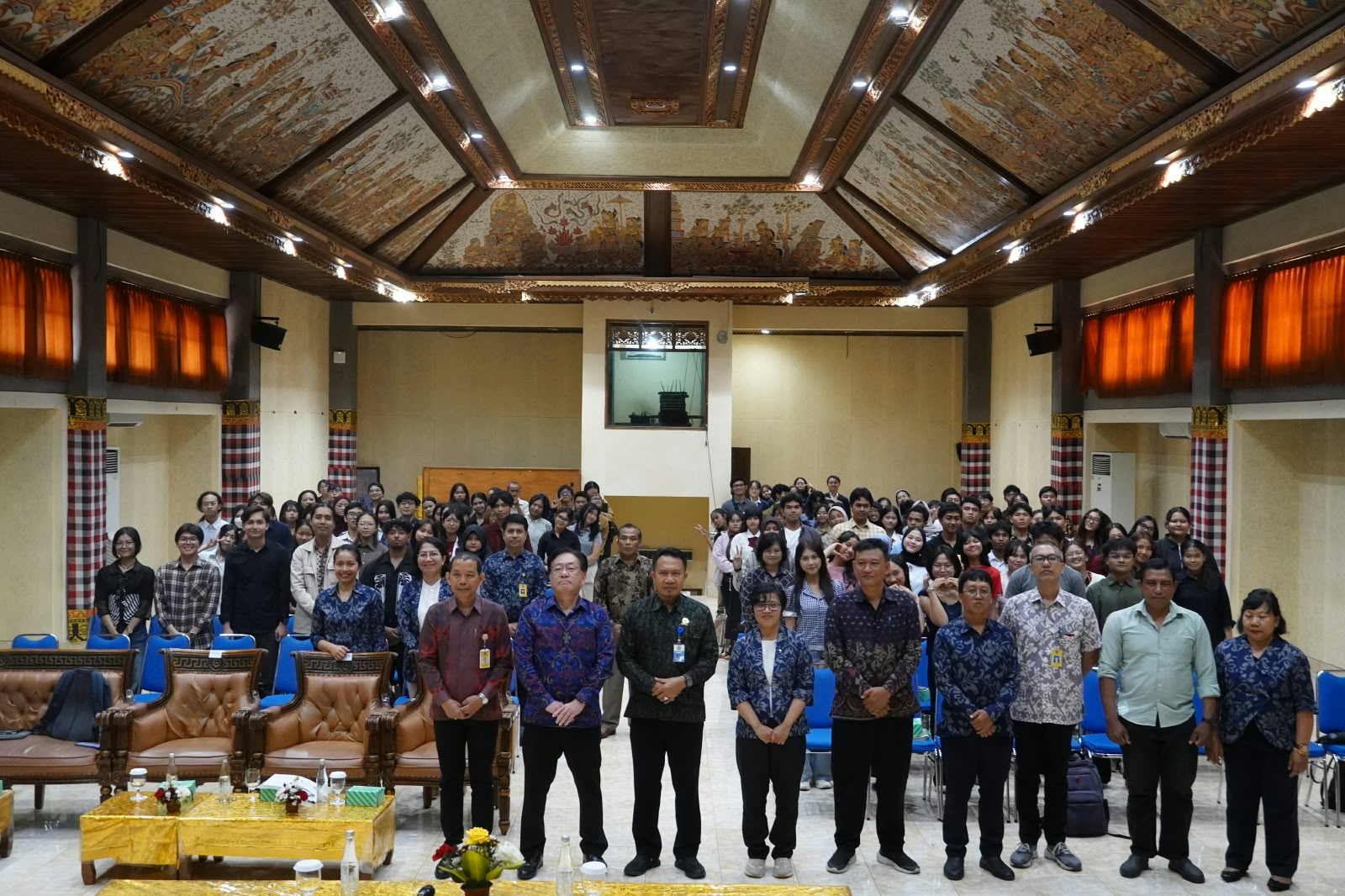
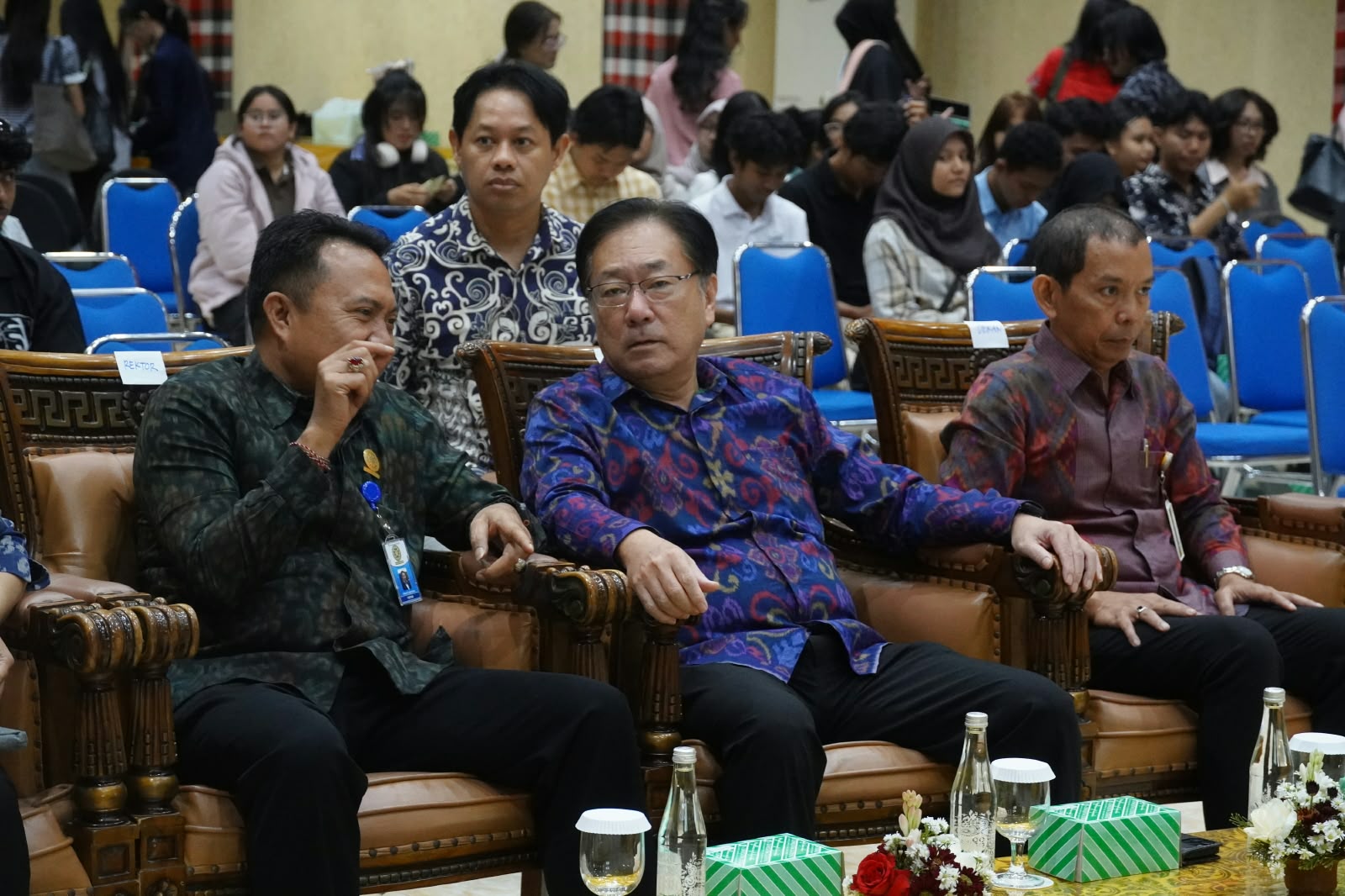
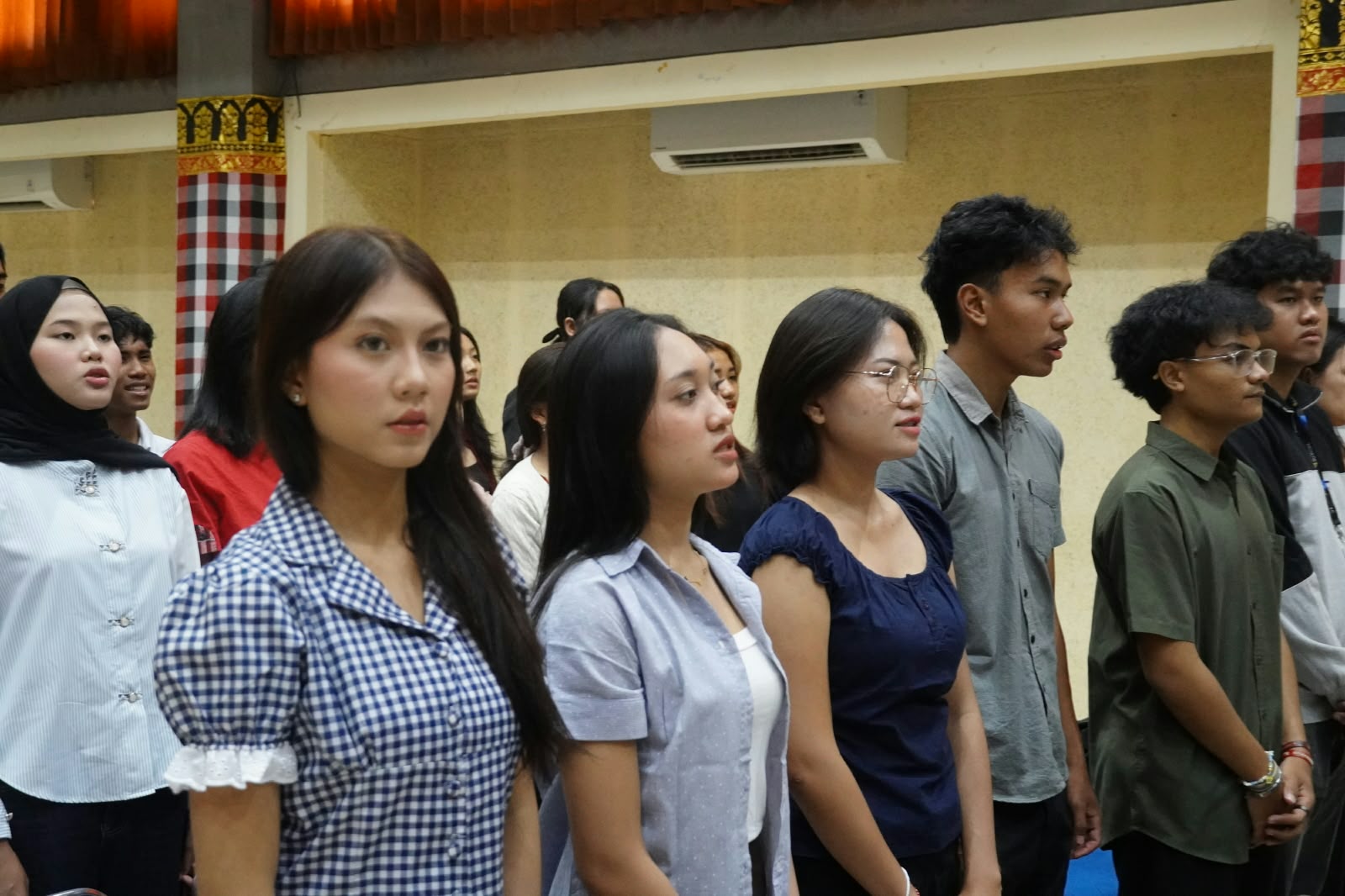
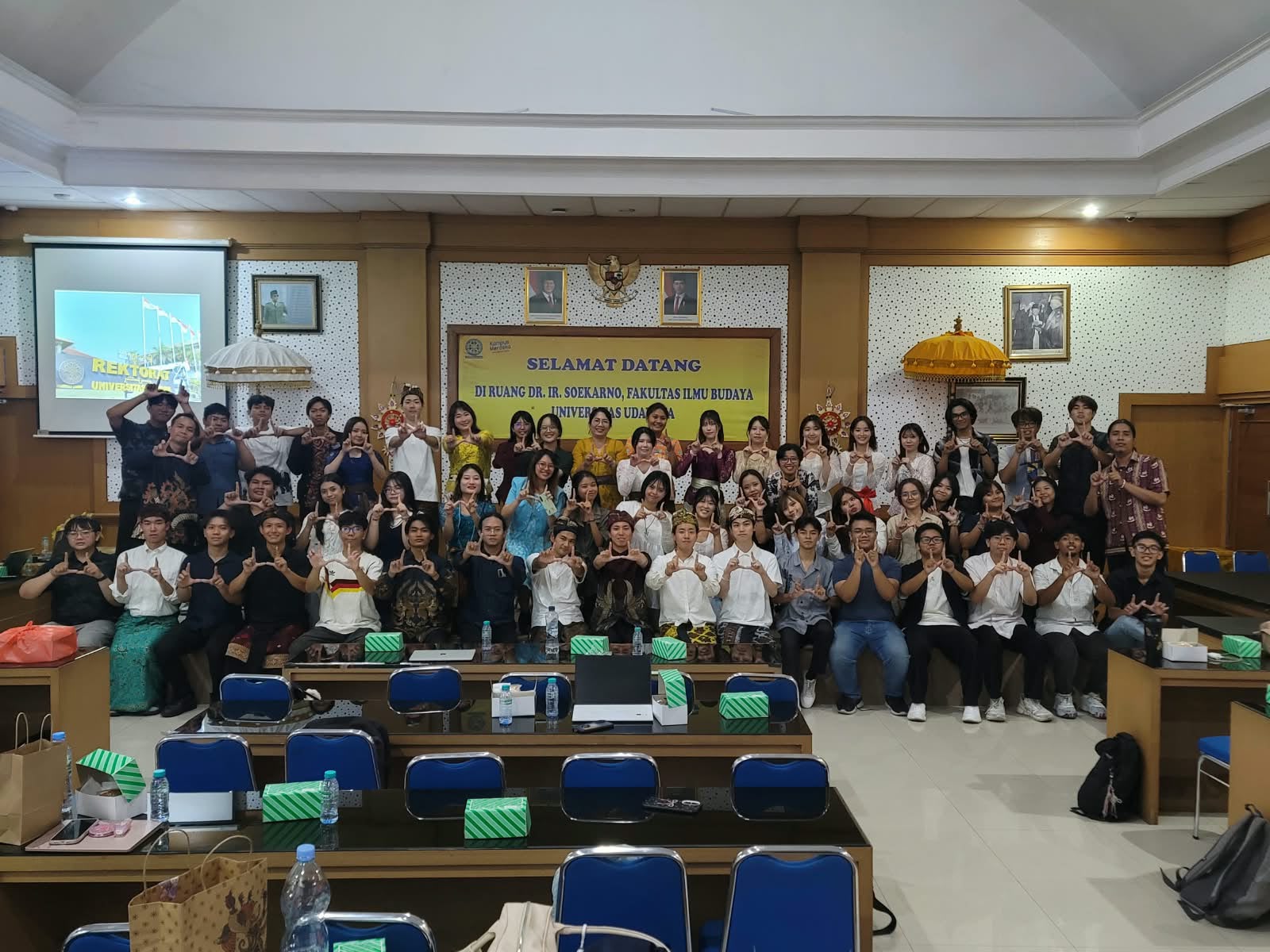
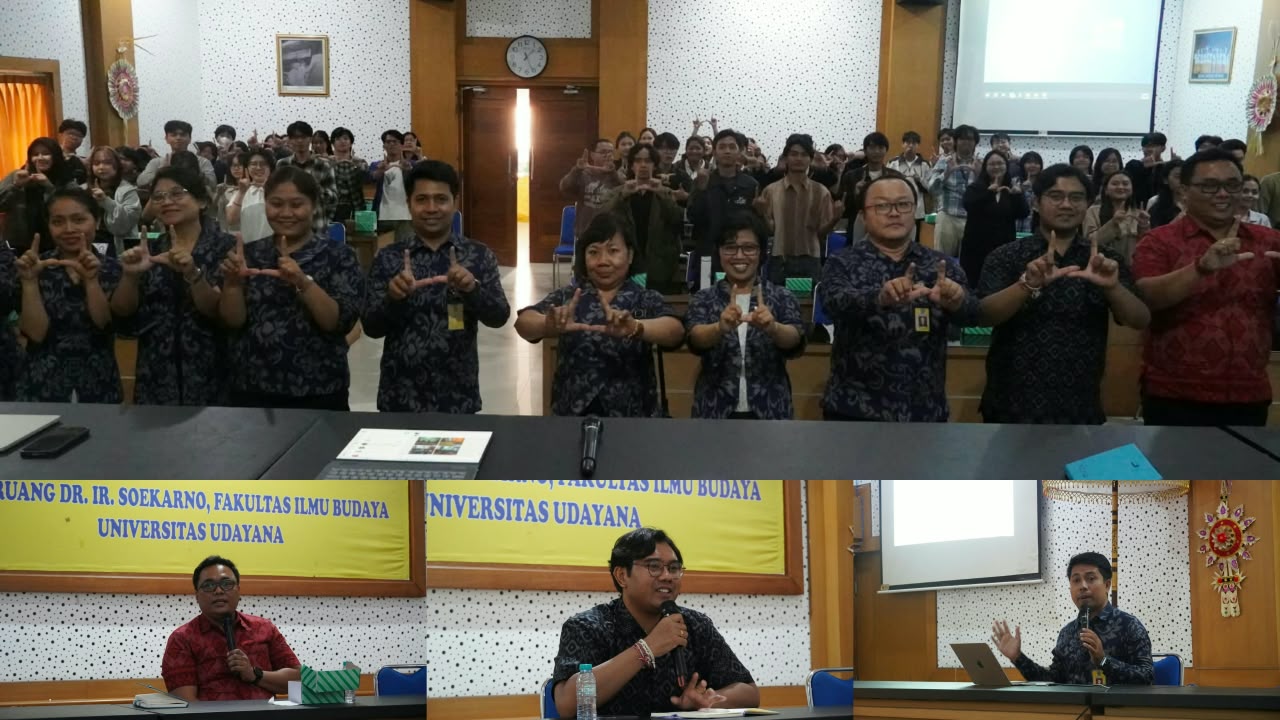
In celebration of its 21st anniversary, the Japanese Studies Program, Faculty of Humanities, Udayana University (FIB Unud), held a public lecture entitled “Indonesia-Japan Friendship: Past, Present, and Future” on October 6, 2026. The event took place at the Widya Sabha Mandala Auditorium, 3rd Floor, Prof. Dr. Ida Bagus Mantra Building, Faculty of Humanities, Udayana University. Attendees included the Consul General of Japan in Denpasar, the Rector of Udayana University, the Dean of the Faculty of Humanities, program coordinators, lecturers, and students of the Japanese Studies Program.
Opening the event, the Coordinator of the Japanese Studies Program, Dr. Silvia Damayanti, S.S., M.Hum., outlined the program’s development since its establishment in 2005. The program currently has 342 students and has produced 719 graduates, with its on-time graduation rate reaching 75% in 2026. Supported by 15 academic staff members and international accreditation from the Foundation for International Business Administration Accreditation (FIBAA), the program continues to expand its international collaborations through student exchange programs that send 10–15 students to Japan annually, as well as the administration of the Japanese-Language Proficiency Test (JLPT) twice a year.
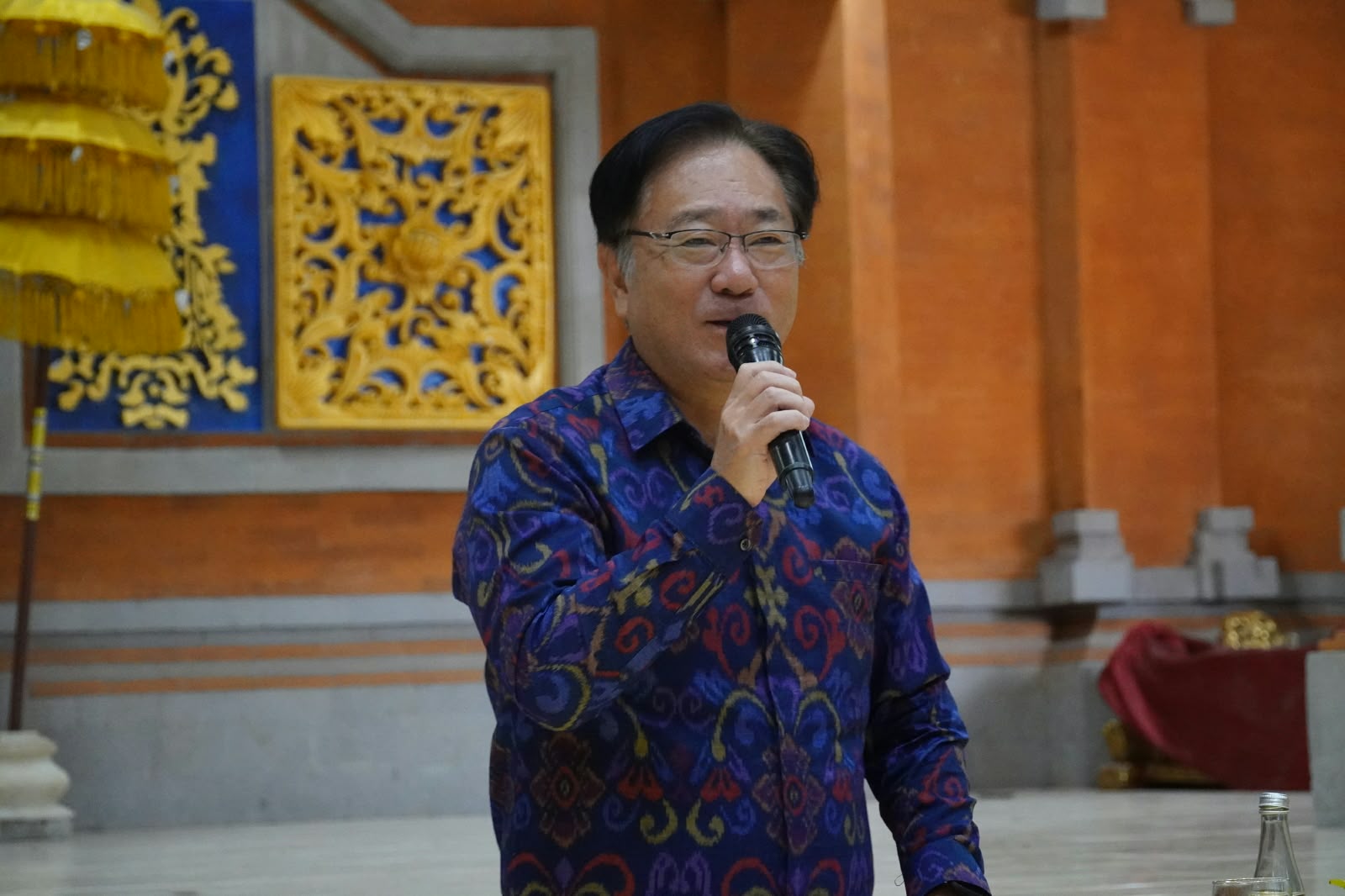
During the public lecture, the Consul General of Japan in Denpasar, Miyakawa Katsutoshi, discussed the longstanding friendship between Indonesia and Japan. He highlighted the Fukuda Doctrine of 1977, which emphasizes equal partnerships and a “heart-to-heart” approach in fostering relations with ASEAN countries.
Bilateral relations between the two countries continue to develop across various sectors, including investment, infrastructure development, energy transition, and maritime security. Their strengthened partnership is also reflected in cooperation on clean energy through the Asia Zero Emission Community (AZEC) and the vision of a Free and Open Indo-Pacific (FOIP).
Furthermore, Indonesia and Japan continue to expand cooperation in human resource development through technical intern training programs (Ginou Jisshu), the Specified Skilled Worker (SSW) program, the recruitment of nurses through the Economic Partnership Agreement (EPA), MEXT scholarships, and the Japan-East Asia Network of Exchange for Students and Youths (JENESYS). Japan also shares its experience with the school lunch system as a reference for supporting the implementation of Indonesia’s Free Nutritious Meals (MBG) program.
Gallery
UDAYANA UNIVERSITY