 ENG
ENG
 INA
INA
Embracing Cultural Heritage through the Buduk Village Development Program
 (1).jpg)
Community service is one way for university students to apply what they learn in class. Besides studying and doing research, students also use their knowledge to help society as part of the Tri Dharma Perguruan Tinggi in Indonesia.
One of these programs is the Kampus Berdampak Bina Desa, organized by the Ministry of Higher Education, Science, and Technology. The program encourages students, lecturers, village governments, and local communities to work together and create positive impacts for villages.
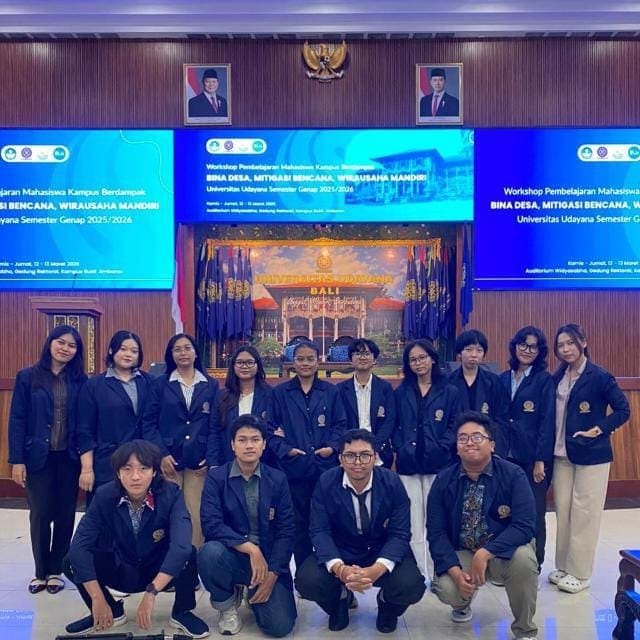
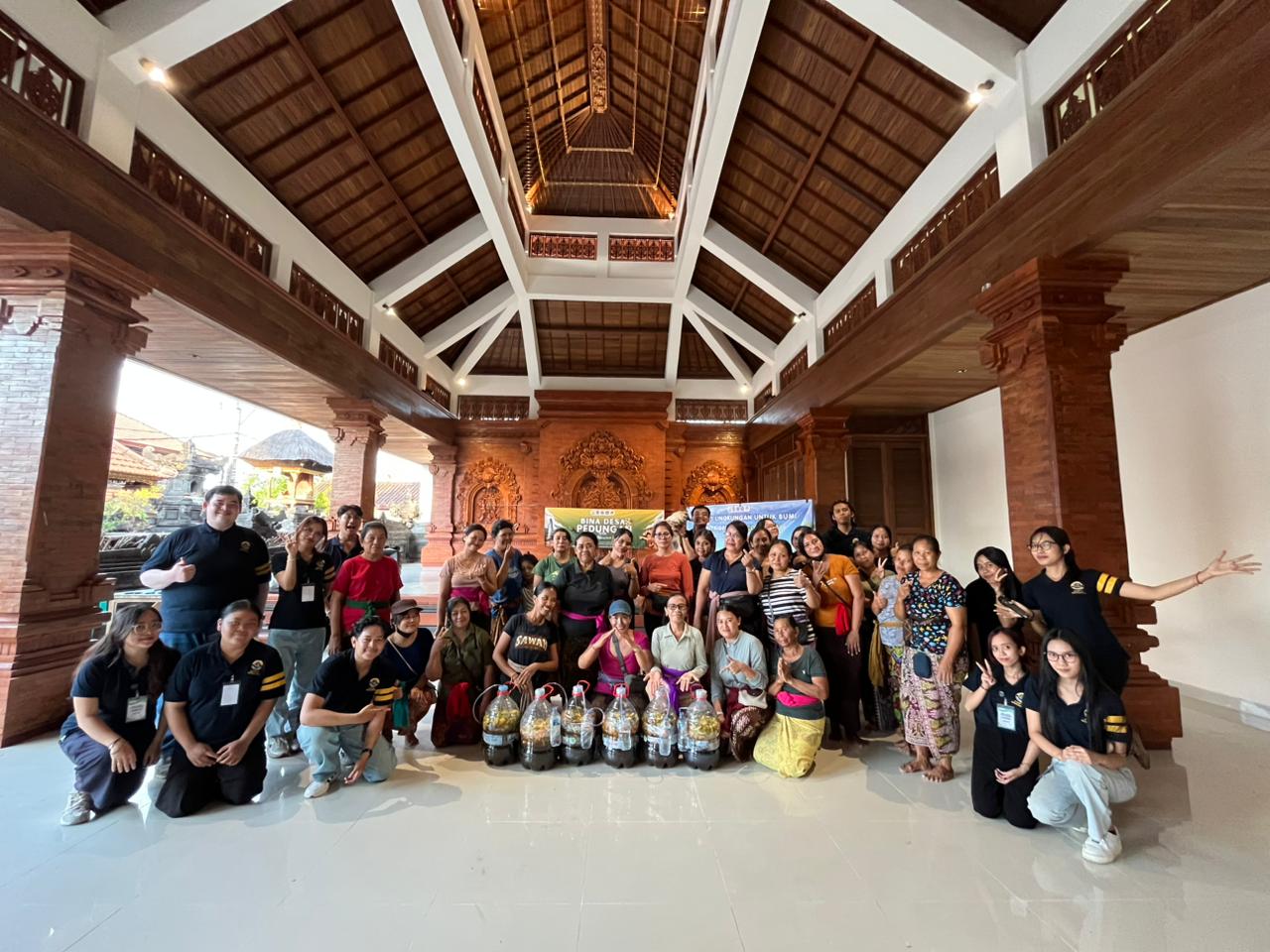
In the second semester of 2026, I joined this program with 13 students from the Faculty of Humanities from different study programs. We carried out the program in Desa Buduk, Mengwi District, Badung Regency, Bali, from the middle of March until July 10, 2026. Buduk Village was chosen because it has a close connection to the history of the Mengwi Kingdom and has many cultural traditions that are still preserved despite the rapid growth of tourism in Badung.
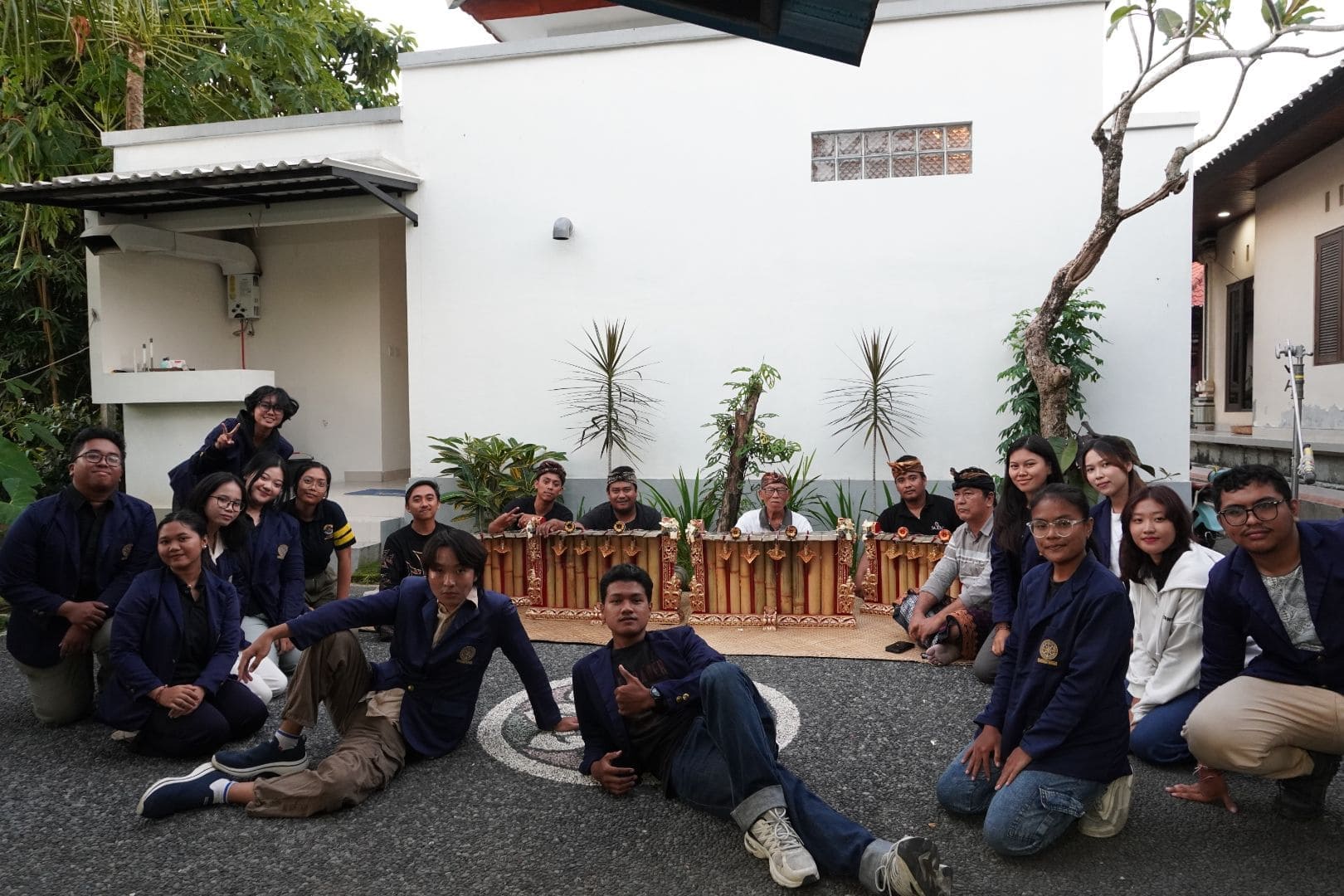
One of Buduk's unique traditions is the oral tradition of Perang Api, which is still practiced today. The village is also famous for producing many traditional puppet masters since the 1950s. In addition, Buduk has its own unique style of Gender Wayang music, which accompanies Balinese shadow puppet performances. Many other cultural traditions are still alive in the village.
However, many of these cultural assets have not been properly documented. Much of the knowledge is passed down orally and is only known by a few community elders. Without proper documentation, this valuable knowledge may disappear in the future. Because of this, our team created the "Widya Budaya" program, with cultural inventory as one of its main activities.
The inventory process followed Law Number 5 of 2017 on Cultural Advancement and Bali Provincial Regulation Number 4 of 2020 on the Strengthening and Advancement of Balinese Culture. We also used the Kekayaan Intelektual Komunal (KIK) documentation module as our recording guide.
Through this program, we documented Potential Cultural Heritage Objects (Objek Diduga Cagar Budaya/ODCB), Traditional Cultural Expressions (Ekspresi Budaya Tradisional lEBT), and Traditional Cultural Knowledge (Pengetahuan Budaya Tradisional/PBT) found in Buduk Village. All information was stored digitally so it would be safer and easier to access in the future. The results were submitted to the Desa Dinas Buduk, Desa Adat Buduk, and the Badung Regency Culture Office for verification and further action.
As students of the Faculty of Humanities, we also taught four languages, Indonesian, Balinese, English, and Japanese, to elementary school students. Together with my classmates from the Japanese Literature Study Program, I taught fifth-grade students basic Japanese greetings (aisatsu), Hiragana and Katakana characters, and simple vocabulary. This activity introduced students to a foreign language while also encouraging them to appreciate the Balinese language as an important part of their cultural identity.
The Widya Budaya program also collaborated with the Balinese Language Extension Officer (Penyuluh Bahasa Bali) of Mengwi District to conserve and catalogue traditional lontar manuscripts. Through this activity, 73 lontar manuscripts were preserved and documented in a digital catalogue to help protect Bali's cultural heritage.
Besides our main programs, we also joined ASPER (Environmental Awareness and Cleanliness Action) to support village waste management. We also participated in several community activities, including helping with the graduation celebration at SD No. 1 Buduk.
For me, the Kampus Berdampak Bina Desa was a valuable opportunity to apply what I had learned at university while learning directly from the community. During the 18-week program, I improved my time management, teamwork, communication, leadership, and critical thinking skills. I also gained experience in observation, interviews, documentation, data processing, and report writing.
One of my most memorable experiences was visiting local residents to collect cultural information that could not be found on the internet. At first, we were unsure because only limited information was available. However, after meeting many people and listening to their stories, we gathered valuable information that greatly supported our documentation work.
Another unforgettable experience was documenting the traditional Gender Wayang music of Buduk. We successfully recorded its unique musical pieces, creating a digital archive that will help preserve this cultural heritage and make it accessible for future generations.
Through this program, I realized that knowledge becomes more meaningful when it is used to help society. This experience brought together learning, community service, and humanity in one meaningful journey.
Finally, I hope that information about the Kampus Berdampak Bina Desa Program will become clearer and easier for students to access. More detailed guidelines would also help future participants prepare better. For students who want to join this program, I encourage them to create sustainable activities, work with supportive teammates, and build strong partnerships with the local community so the program can have a lasting impact.
Gallery
UDAYANA UNIVERSITY