 ENG
ENG
 INA
INA
Our Experience Participating in the MBKM Bina Desa Program at Desa Adat Pedungan
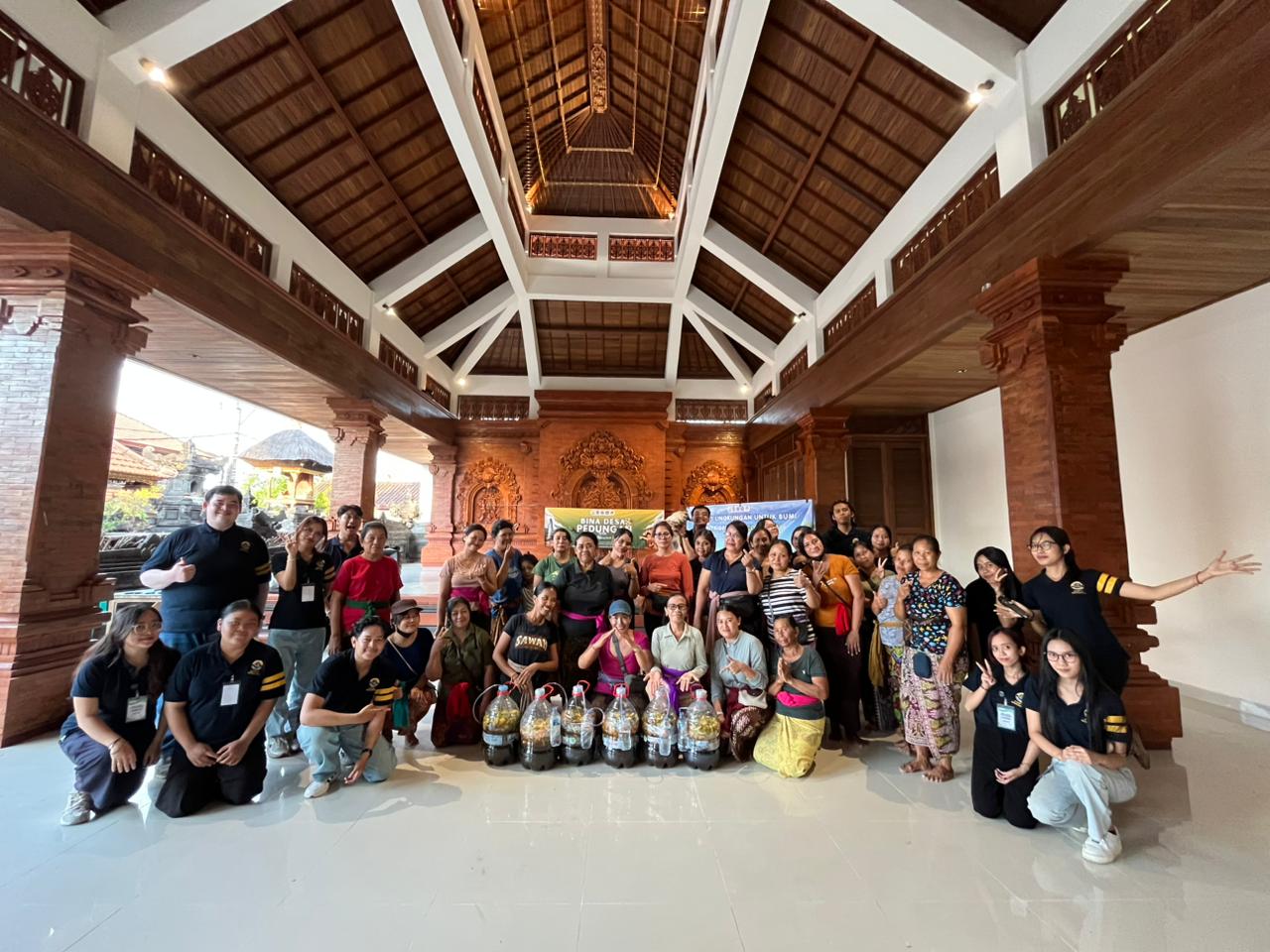
We, Gusti Ayu Dian Lestari, Ni Putu Ayu Diah Laksmi Subrata, Ni Putu Rira Califia Putri Karna, and Gek Putu Bintang Prada Apsara, are students of the Japanese Literature Study Program, Faculty of Humanities, Udayana University. During our sixth semester, we had the opportunity to participate in the Merdeka Belajar Kampus Merdeka (MBKM) Kampus Berdampak Bina Desa Program, which was conducted at Desa Adat Pedungan, South Denpasar District, Denpasar City, Bali.
The MBKM Bina Desa Program provided us with valuable opportunities to learn through direct community engagement. It allowed us to apply the knowledge and skills we had gained during our studies while contributing to the development of the local community. Before the program began, our team conducted observations to identify the needs and challenges faced by the residents of Desa Adat Pedungan. Based on these findings, we designed several work programs focusing on education, environmental awareness, information dissemination, and social welfare.
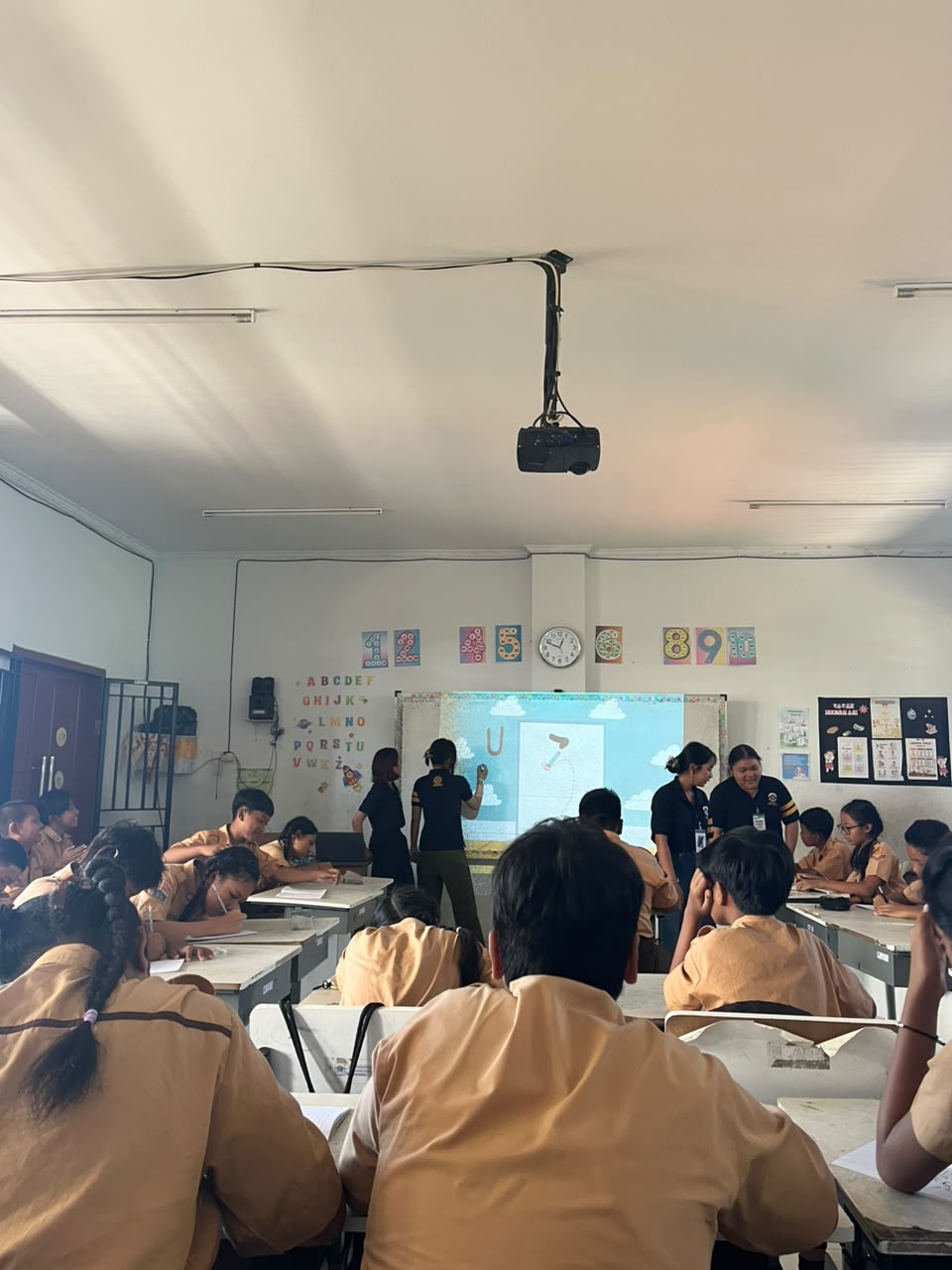
Throughout the program, we carried out various educational activities, including teaching English and introducing basic Japanese to elementary school students. The lessons were designed to be interactive and enjoyable through games, simple conversations, and other engaging learning activities, helping students develop an interest in learning foreign languages.
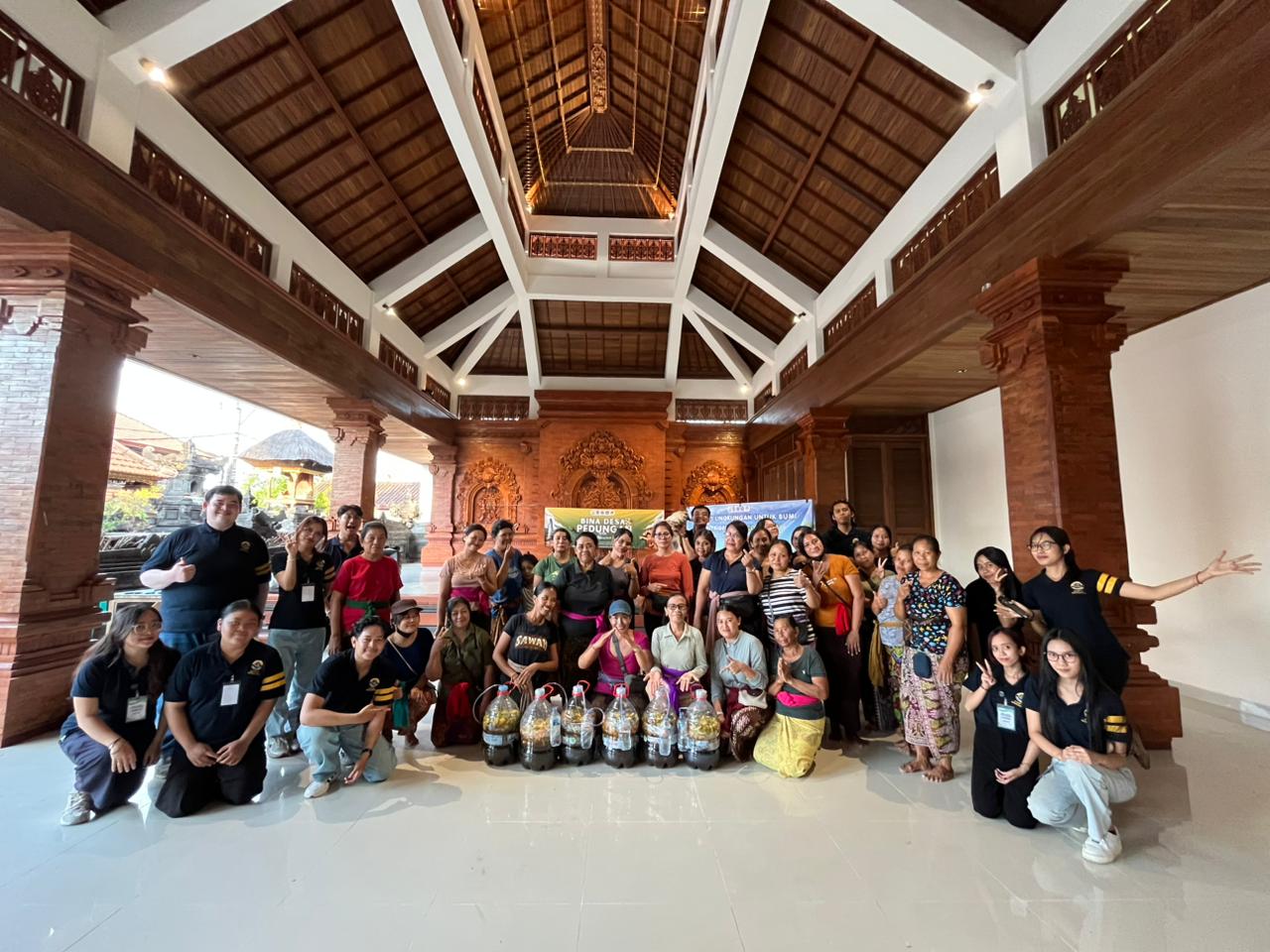
In the environmental sector, we organized socialization sessions and hands-on workshops on Eco Enzyme production, biopore installation, and potpourri making using natural materials. These activities aimed to increase public awareness of environmental conservation and encourage the sustainable management of organic waste.
We also contributed to the development of a village website and magazine to promote the profile, history, culture, and potential of Desa Adat Pedungan. Through these projects, we gained valuable experience in information management, content creation, and digital communication.
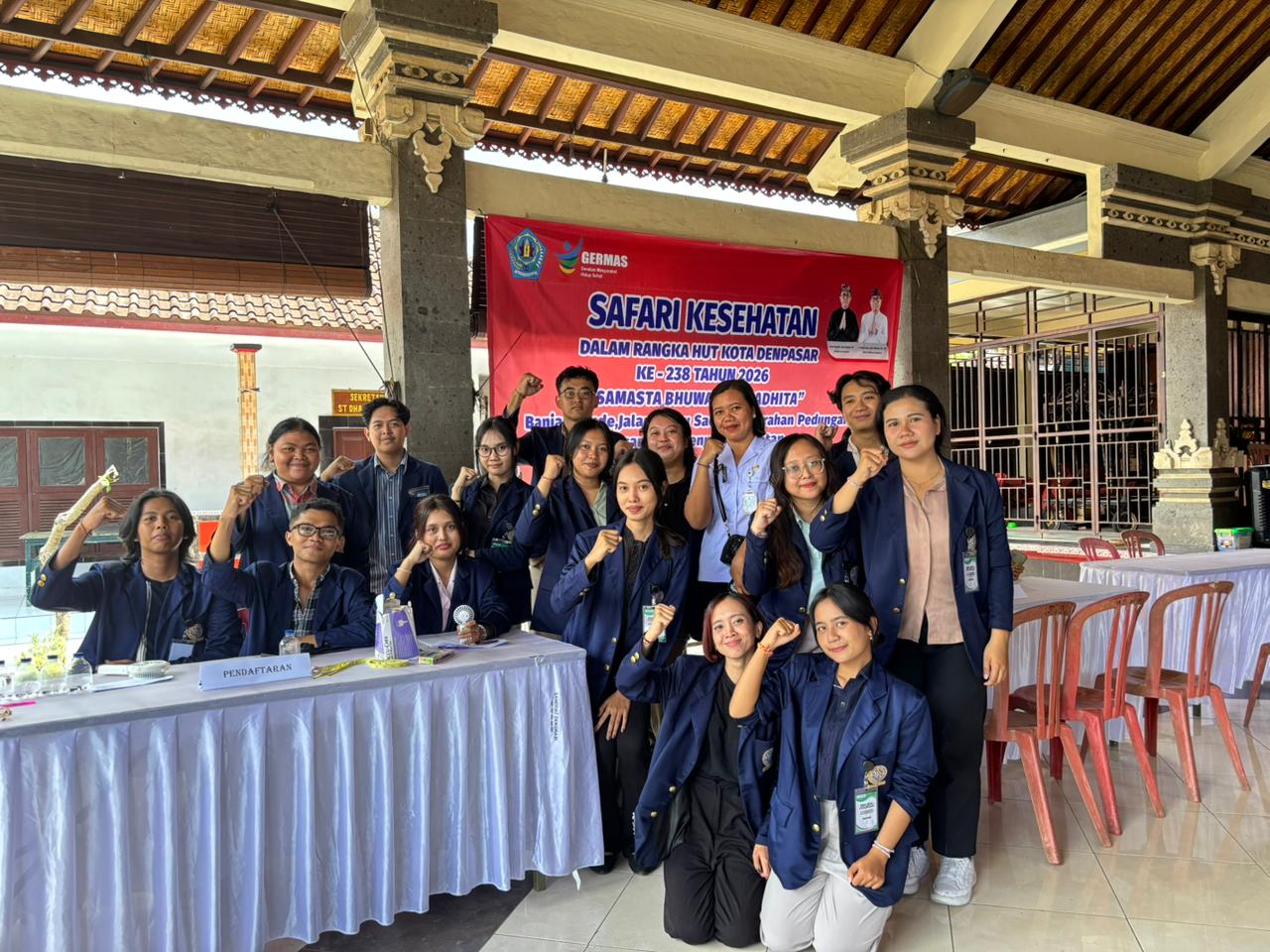
In addition, we participated in community service activities such as Posyandu, Health Safari, and visits to elderly residents. These experiences taught us the importance of empathy, teamwork, communication, and building meaningful relationships with the local community.
During the program, we encountered several challenges, including managing our schedules, dividing responsibilities within the team, and adapting to various field conditions. However, through effective communication, cooperation, and mutual support, we successfully completed all of our planned activities.
Participating in the MBKM Bina Desa Program has greatly benefited us, both academically and personally. We improved our teamwork, communication, leadership, problem-solving, and time management skills while gaining firsthand experience working with the community. More importantly, we realized that the knowledge we acquire at university can be applied to create a positive impact on society.
Gallery
UDAYANA UNIVERSITY