 ENG
ENG
 INA
INA
Preserving Lontar Manuscripts and Improving Public Speaking Skills through MBKM Bina Desa in Buduk Village
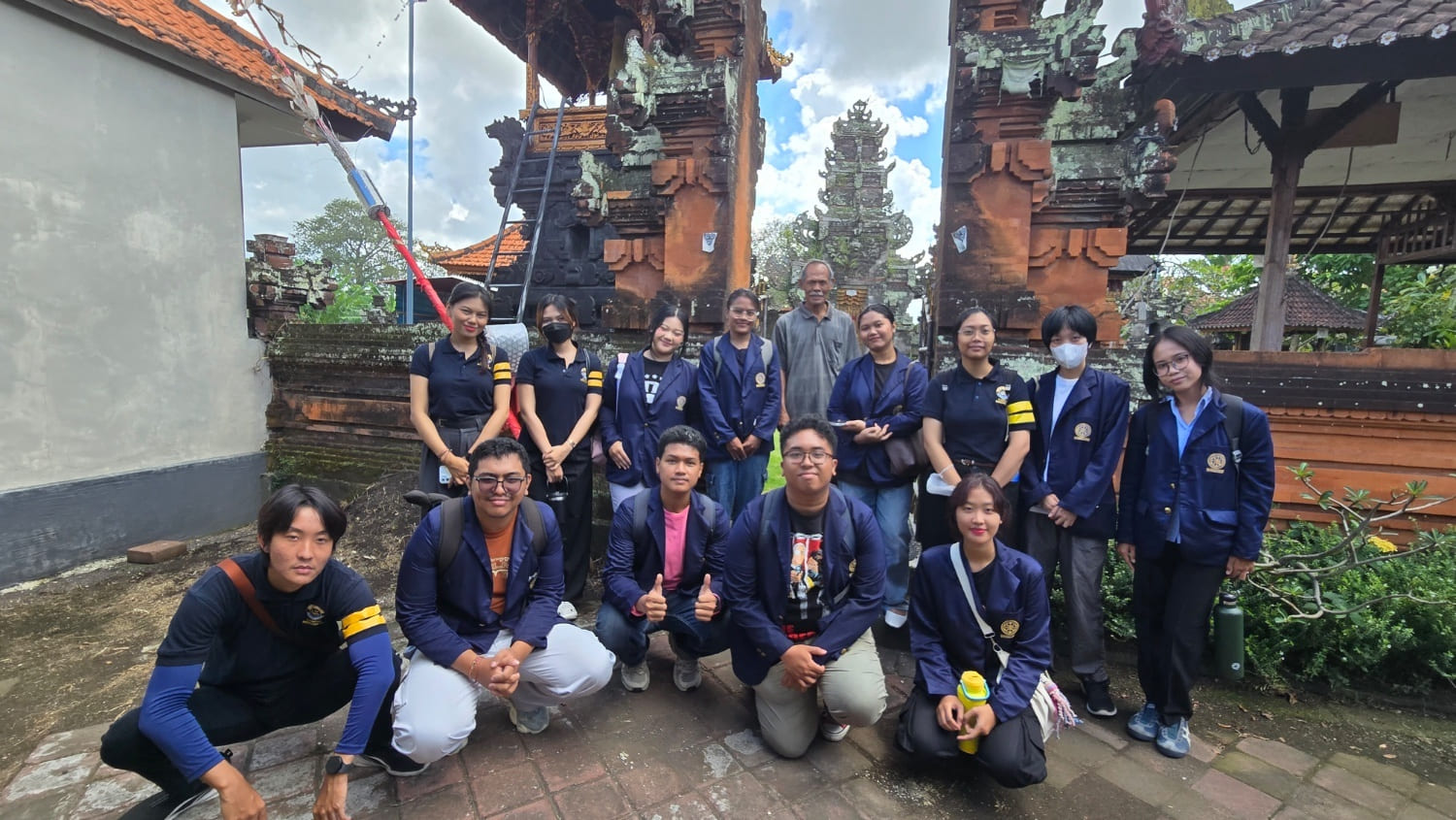
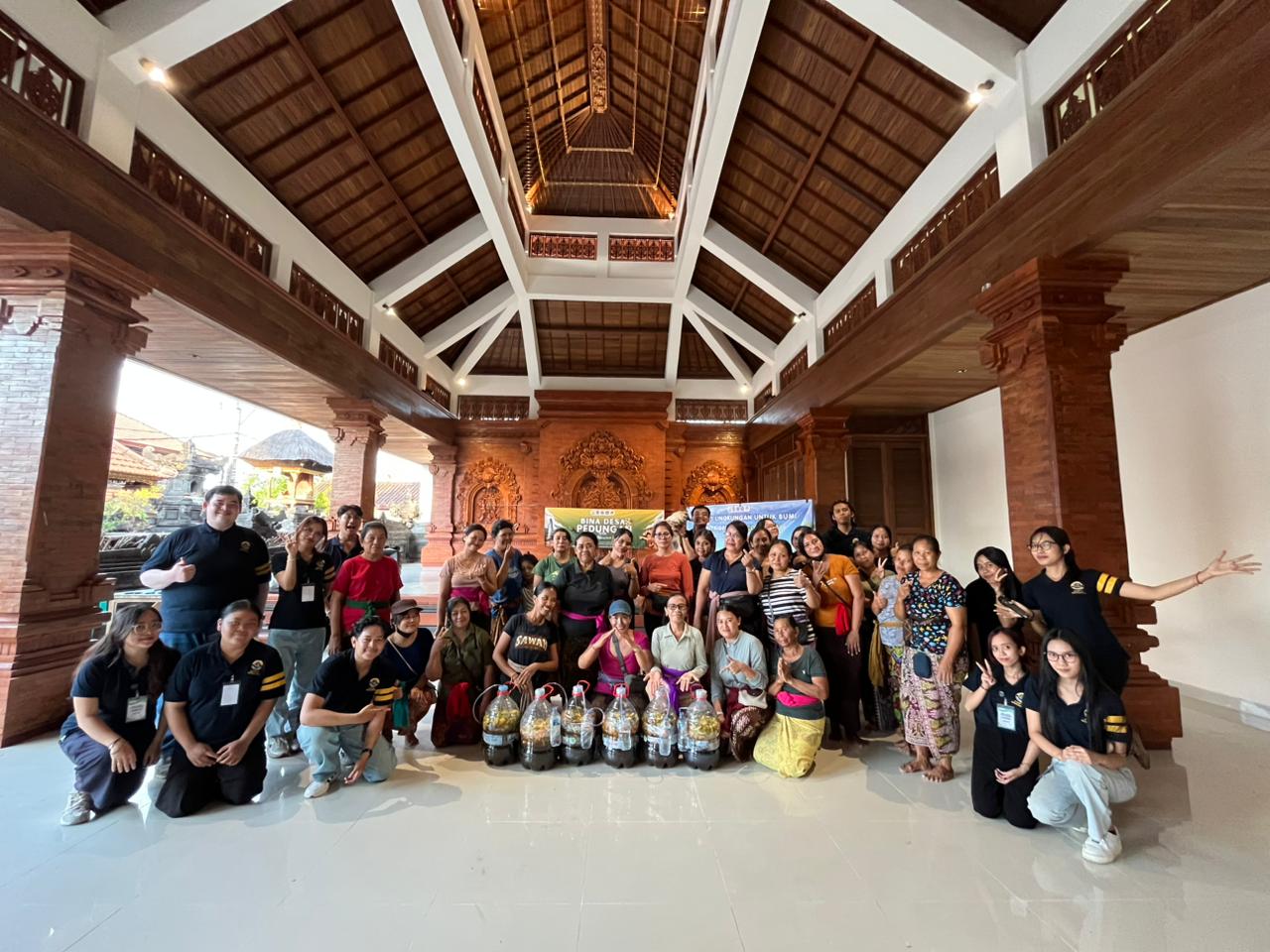
My name is Ni Wayan Ariska Prismawati, and I am a third-year student at Udayana University. During my sixth semester, I had the opportunity to participate in the 2026 Merdeka Belajar Kampus Merdeka (MBKM) Bina Desa. This program is a community engagement initiative that focuses on village empowerment while providing university students with experiential learning opportunities beyond the classroom.
After a series of discussions, my team decided to select Buduk Village as our partner village because of its strategic location near several of Bali's major tourism destinations, including Canggu. Despite its proximity to these rapidly developing tourist areas, Buduk Village continues to preserve its rich cultural heritage and long-standing traditions in everyday life. Recognizing this unique characteristic, we designed a program called Widya Budaya, which aimed to document and inventory potential cultural heritage sites throughout the village. This preliminary documentation is expected to serve as a valuable reference for the local Department of Culture should they wish to conduct more comprehensive research on Buduk Village's cultural assets in the future.
In addition to cultural documentation, Widya Budaya also included an educational initiative called Pondok Bahasa, which focused on teaching Japanese, English, Balinese, and Indonesian to the younger generation of Buduk Village. We developed this program based on the belief that language plays a fundamental role in everyday communication and serves as an essential soft skill for young people, particularly in an era characterized by rapid technological advancement and increasing global connectivity.
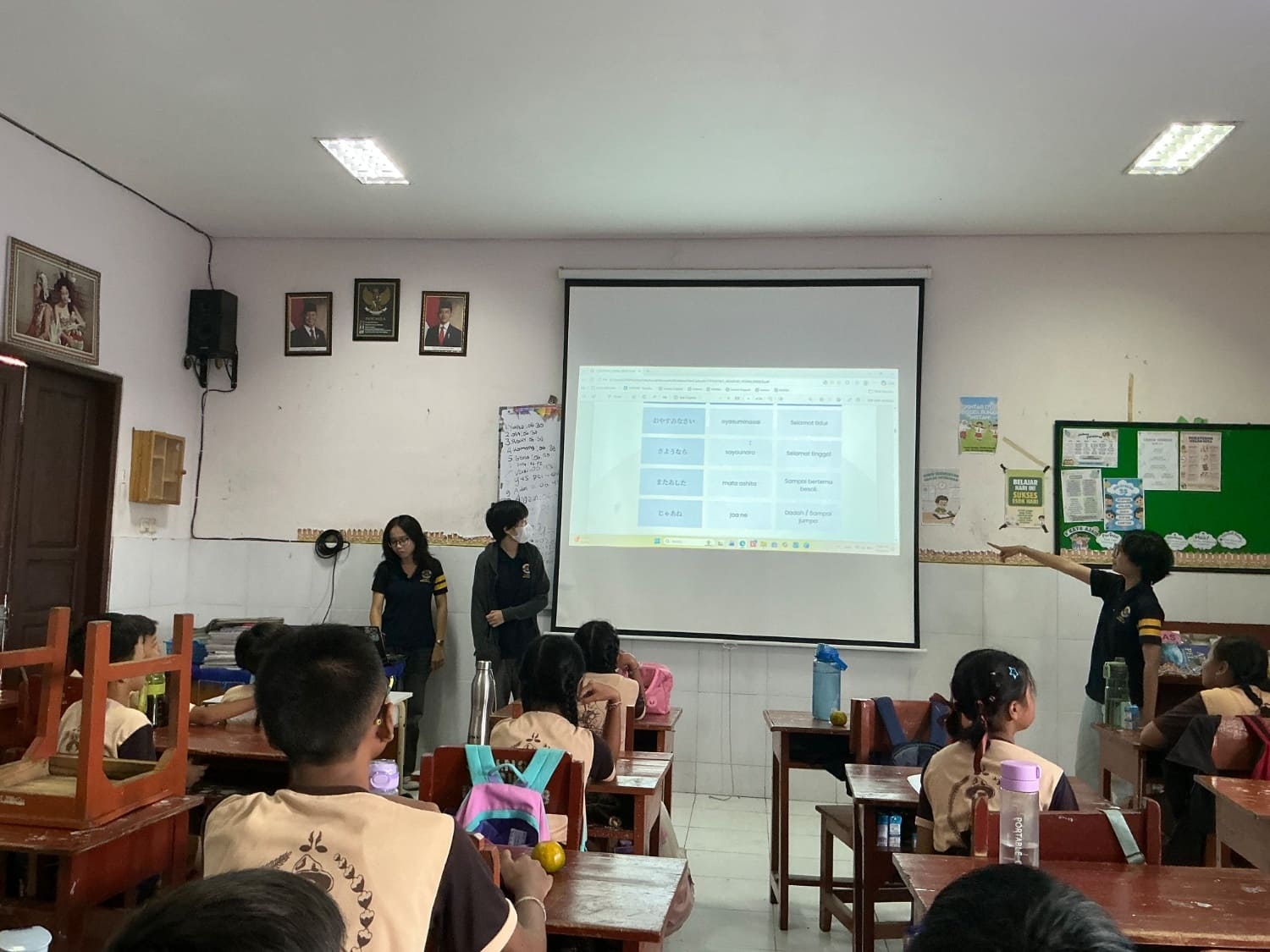
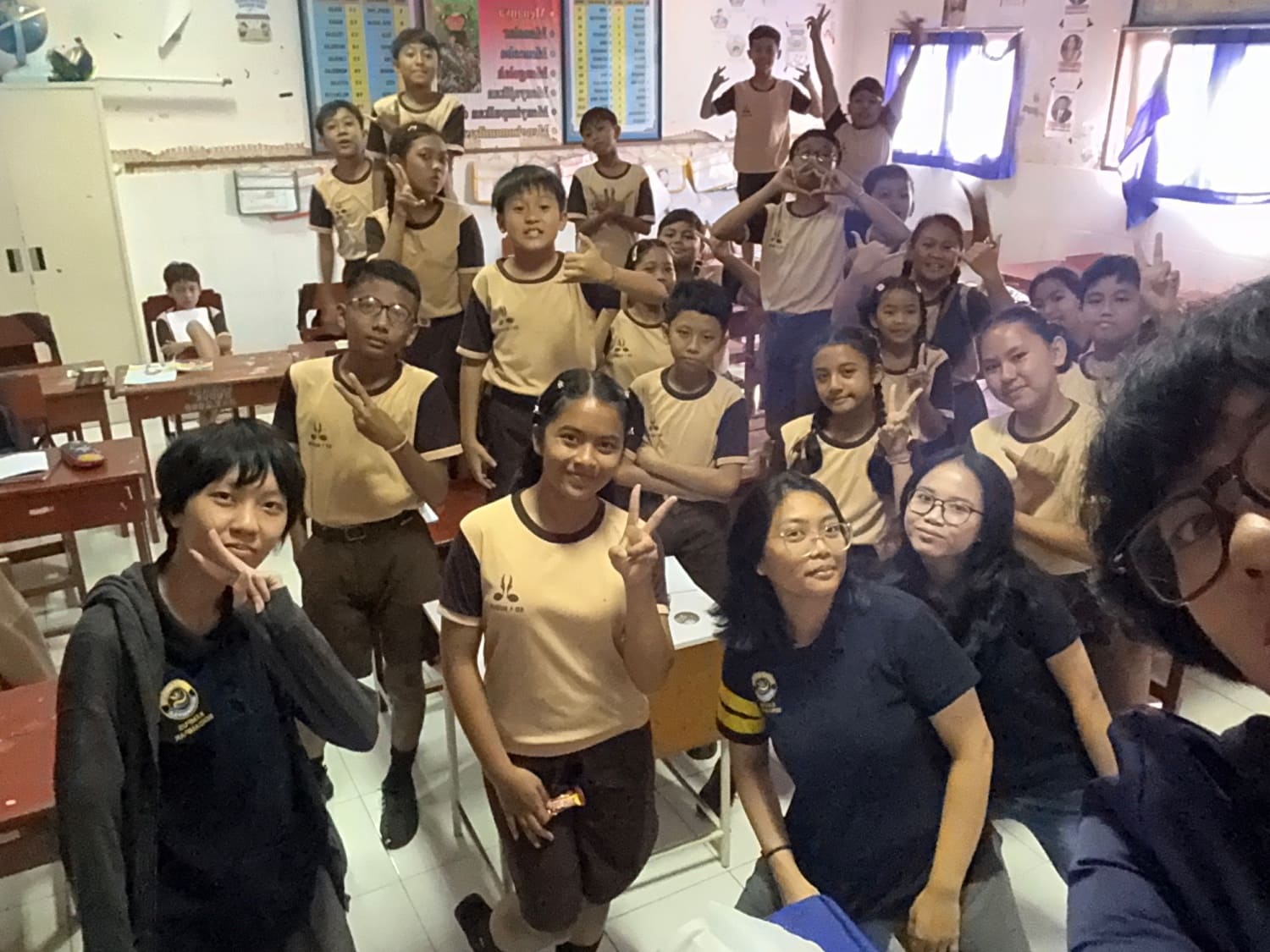
Throughout the MBKM Bina Desa Program, I gained many valuable experiences that extended beyond what I had learned in university courses. I had the opportunity to participate in lontar manuscript conservation activities and visit numerous sites that are believed to possess significant cultural heritage value. Furthermore, the Pondok Bahasa program was successfully implemented at SD Negeri 1 Buduk, where we taught Japanese to fifth-grade elementary school students. The lessons covered basic greetings (aishatsu), the etiquette of bowing (ojigi), the hiragana and katakana writing systems, and everyday vocabulary. To create an engaging learning environment, we employed interactive teaching methods, including hands-on activities and audio-visual media such as educational films. I was delighted to see that the students demonstrated great enthusiasm throughout the program, and most of them were able to follow the lessons well despite having no prior exposure to the Japanese language.
Like any community-based program, the MBKM Bina Desa Program also presented several challenges. One of the main difficulties I encountered was collecting information about Buduk Village's cultural heritage sites, as there was very limited documentation in the form of photographs or written records that could serve as reliable references. In addition, during the Pondok Bahasa program, I initially found it challenging to present learning materials confidently because I was not accustomed to speaking in front of large groups. Nevertheless, these experiences encouraged me to develop my communication skills, adaptability, and confidence in public speaking.
Although the program lasted only three and a half months, it became one of the most meaningful experiences of my university life. I sincerely hope that more students will become aware of and participate in the MBKM Bina Desa Program, as it offers invaluable opportunities to engage directly with local communities while applying academic knowledge in real-world settings. Through this experience, I was not only able to share the knowledge I had acquired during my studies, but I also learned countless new lessons from the people of Buduk Village and from my fellow team members. I feel truly grateful for the opportunity to participate in this program and proud to have completed it successfully. Finally, I would like to express my sincere appreciation to the people of Buduk Village for welcoming us with open arms as their community partners, to my teammates for their unwavering collaboration and support, and to Udayana University for providing the opportunity and institutional support that made this meaningful experience possible.
Gallery
UDAYANA UNIVERSITY