 ENG
ENG
 INA
INA
"Widya Budaya" MBKM Bina Desa Program – Buduk Village, Mengwi Subdistrict (March–July 2026)
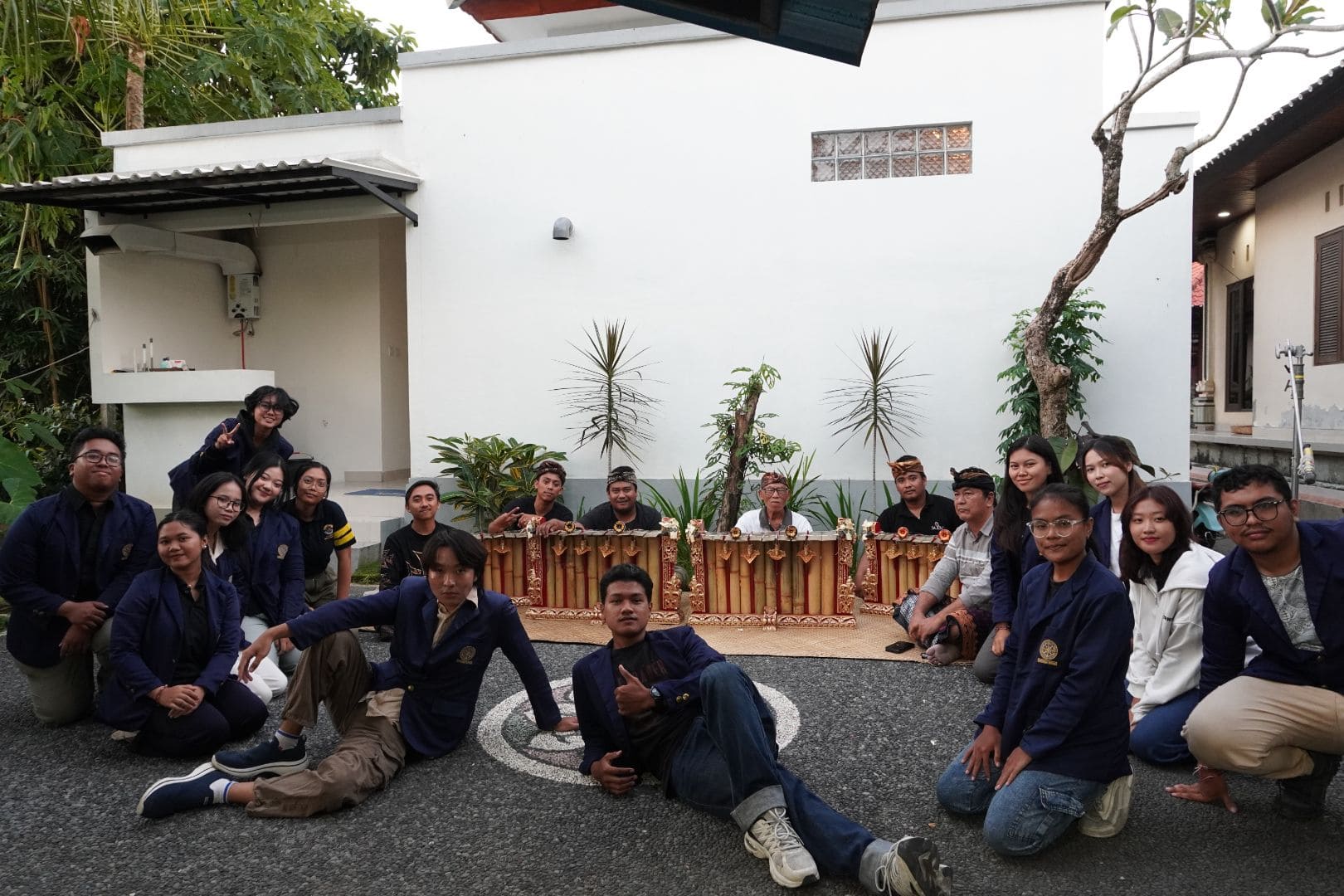
My name is Bukit, Adinda Abigael Rehulina, a Japanese Literature student at Udayana University. This semester, I participated in a community service program called Bina Desa in Buduk Village, Badung, Bali. Together with a multidisciplinary team of students, we created a program called "Widya Budaya." This initiative focused on preserving cultural heritage through cultural documentation, saving ancient manuscripts, and supporting non-formal education for elementary school children. The project ran for five months, from March to July 2026. We started by coordinating with our supervising lecturer, village officials, local cultural leaders, Balinese language instructors, and schools to align our goals.
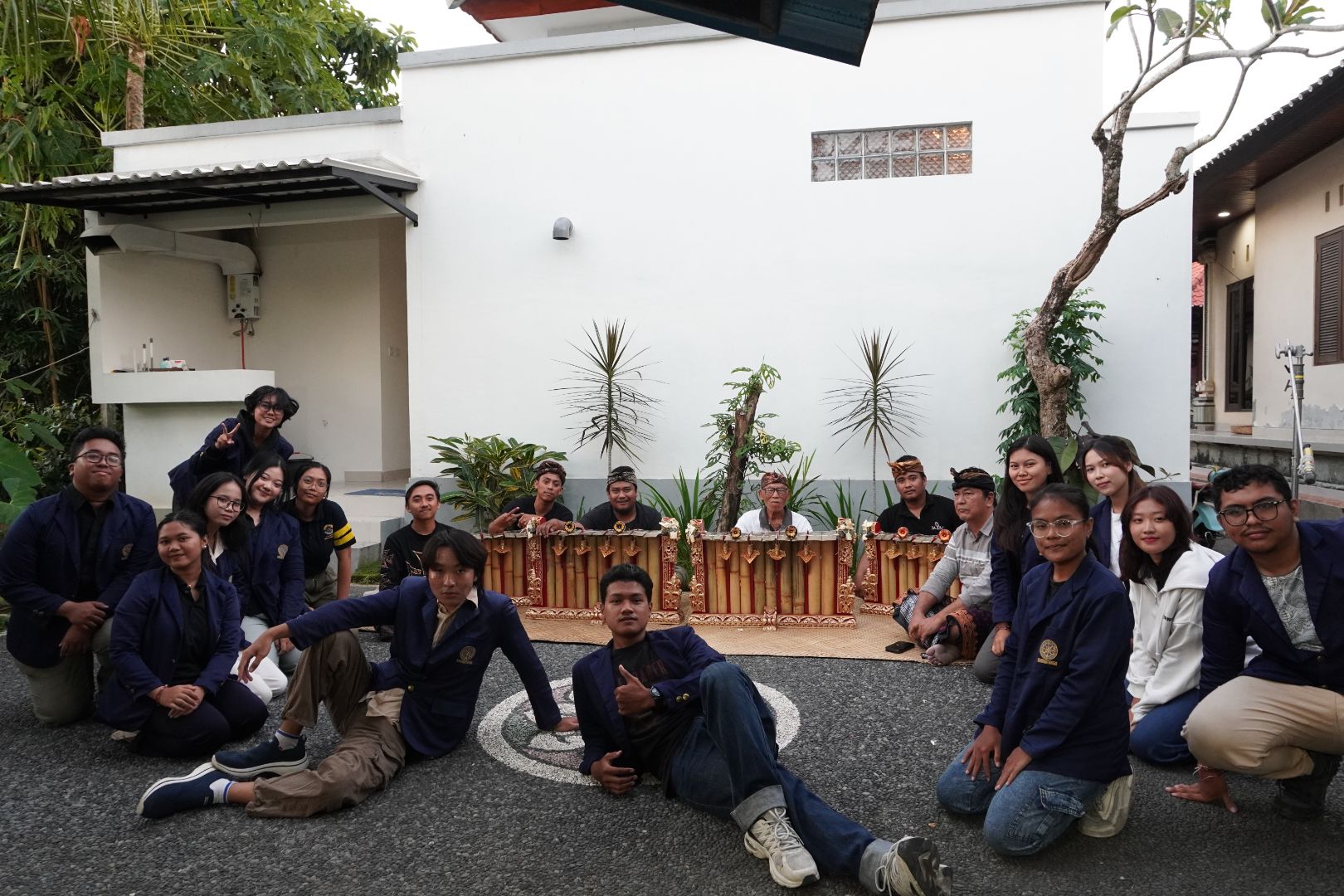
In our team, I served as the Coordinator of Creative Media. My main role was to lead and coordinate our creative team. I was fully responsible for designing visual publications, planning content, and documenting our field activities through photos and videos. Our main focus was to document the cultural inventory across eight categories (such as rituals, traditional crafts, arts, and manuscripts) and to record historical sites, including the Veteran Street Gate and the headless Ganesha statue at Manik Galih Temple. Our biggest challenge was documenting sacred objects and rituals, which required us to be highly respectful of local customs and boundaries.
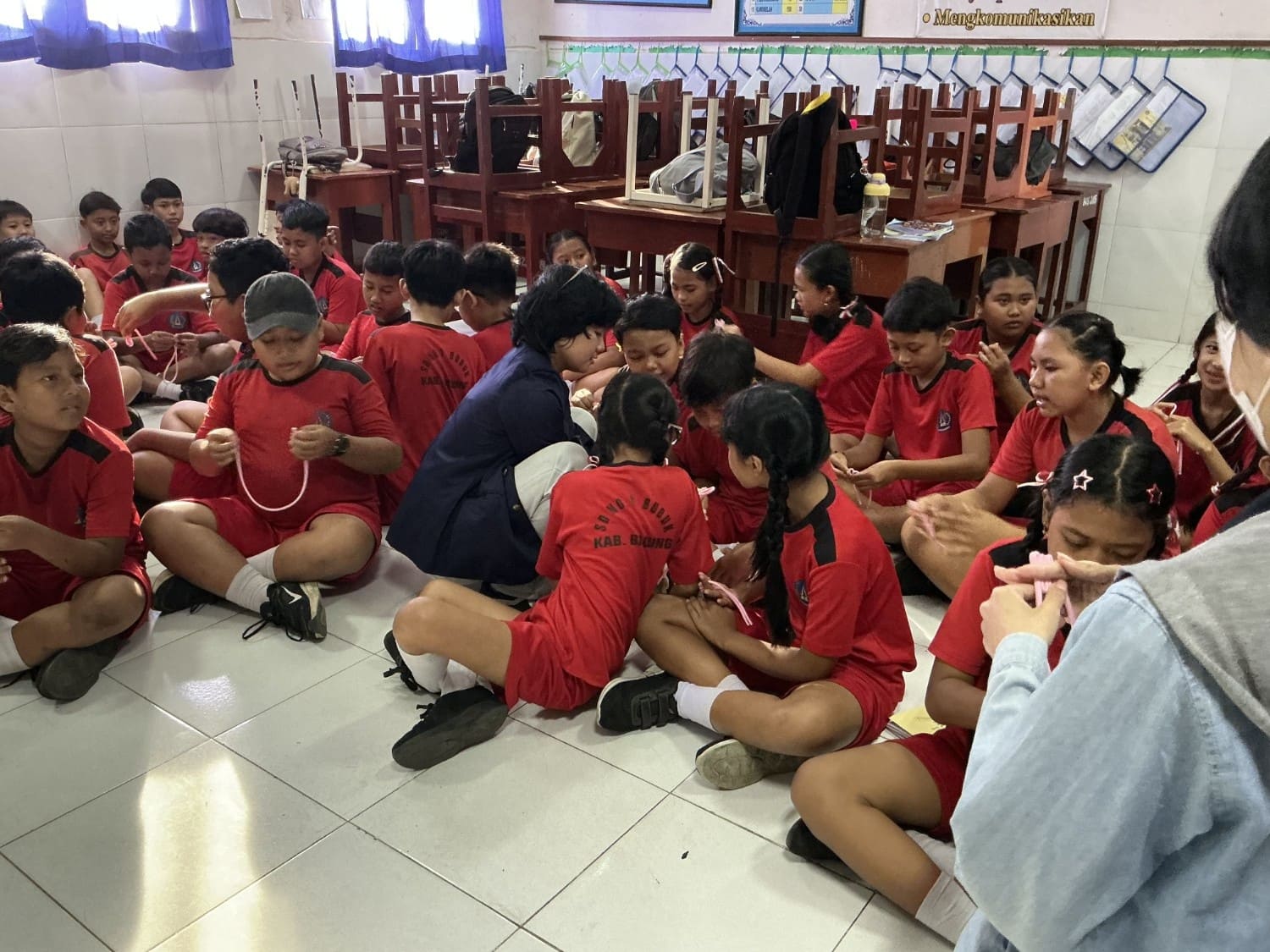
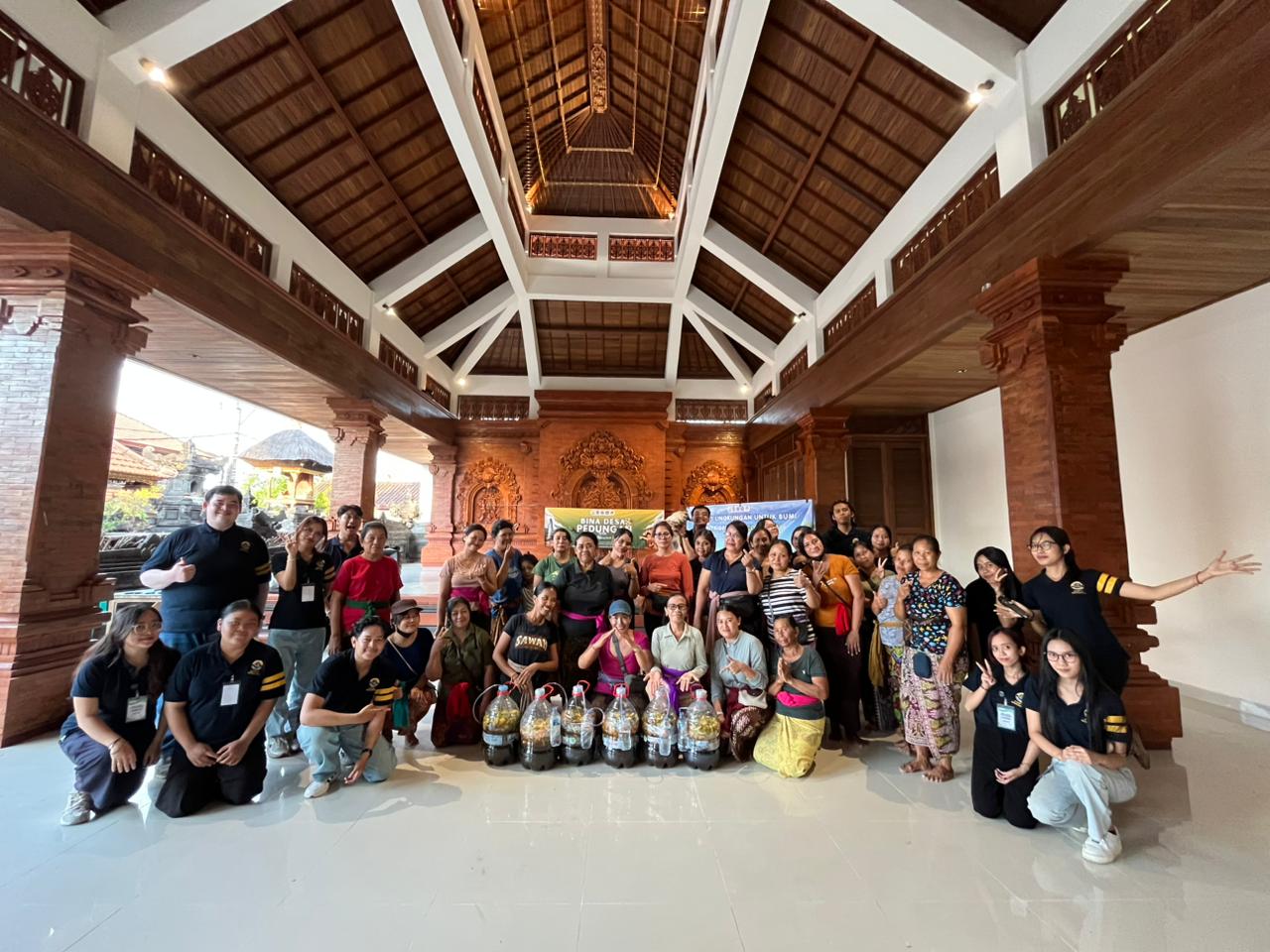
In addition to my creative role, I applied my academic background by teaching Japanese to fifth-grade students at SD No. 1 Buduk from June 2 to 10, 2026. I developed a structured lesson plan covering classroom ethics, greetings, introductions, Hiragana and Katakana writing, and basic vocabulary. To make learning fun and effective, I used interactive methods like physical demonstrations, audiovisual materials, worksheets, games, and small rewards. I also assisted my team in other community activities, such as a source-based waste management initiative in late March and helping organize the school graduation event on June 12, 2026.
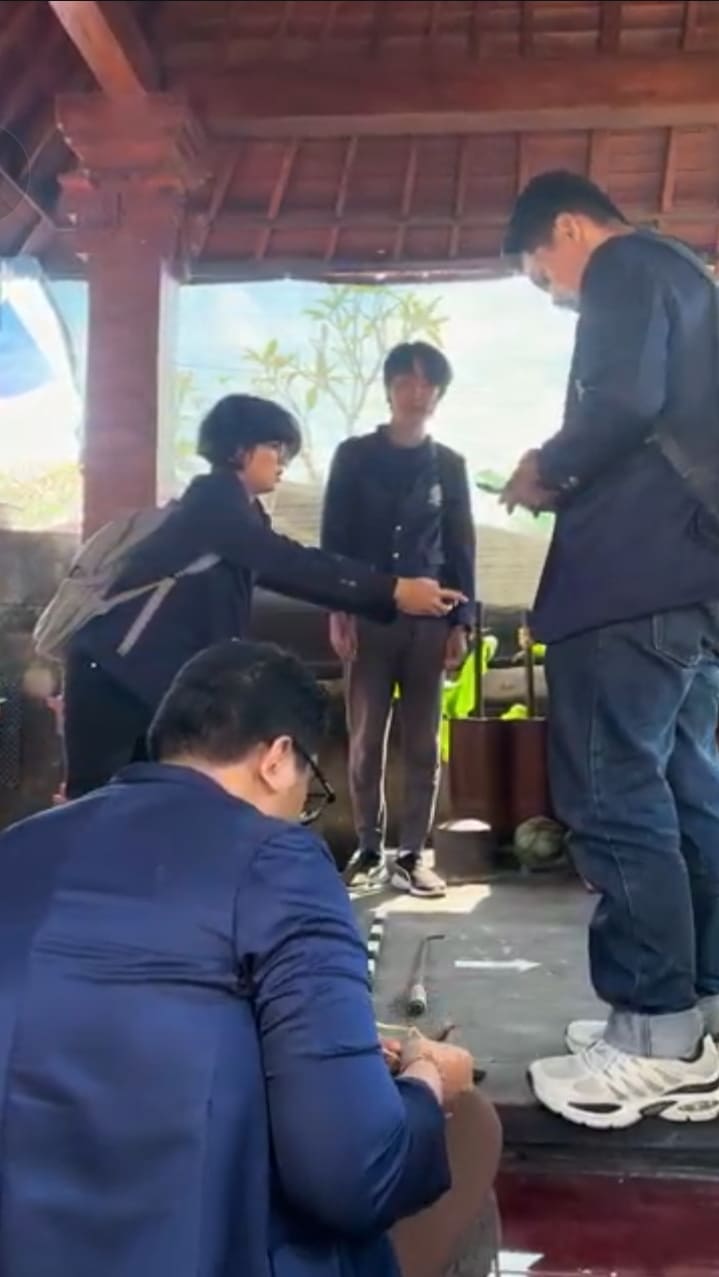
Despite challenges such as initial resistance from some residents during the waste management project due to a lack of early communication, this service program was a highly valuable learning experience. I improved my public speaking, patience, and adaptability while learning how to lead a creative team effectively. Through this collaboration, we helped ease the community's worries about losing their local identity. We did this by providing a digital database of their documented culture and physically conserving 73 ancient palm-leaf manuscripts (lontar) at Griya Gede Simpangan. This experience allowed me to make a real impact, and I hope it inspires other Japanese Literature students to participate in similar community service programs in the future.
Gallery
UDAYANA UNIVERSITY