 ENG
ENG
 INA
INA
Daring to Try Something New: My Story and My Team’s Journey in Building an Innovative Culinary Business through the Independent Entrepreneurship Program at Udayana University
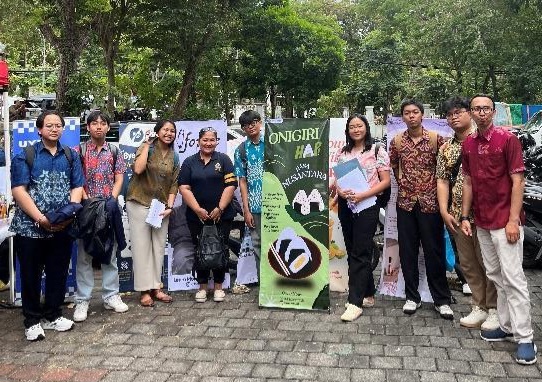
By: Rakha Rafif Alfiansyah
Being a student in the Japanese Literature Study Program at the Faculty of Humanities, Udayana University, is usually associated with stacks of dictionaries, kanji analysis, or literary criticism. However, for me, university life is a stage of growth where I continuously explore my potential. The door of opportunity opened wide when I decided to step out of my academic comfort zone and join the Independent Merdeka Belajar Kampus Merdeka (MBKM) Program, specifically the Independent Entrepreneurship Program (Wirausaha Merdeka/WMK) at Udayana University for the 2025/2026 Academic Year. Through this program, I not only learned theories in the classroom but also experienced firsthand the dynamics of the real business world. For me, this was a strategic step to sharpen my creativity, enhance my competitiveness, and expand my professional network within the industry. The program I participated in was the Independent MBKM Entrepreneurship Program. During its implementation, my learning journey was divided into two main settings. Theoretical learning and experiential learning activities were conducted within the internal environment of Udayana University in Denpasar.
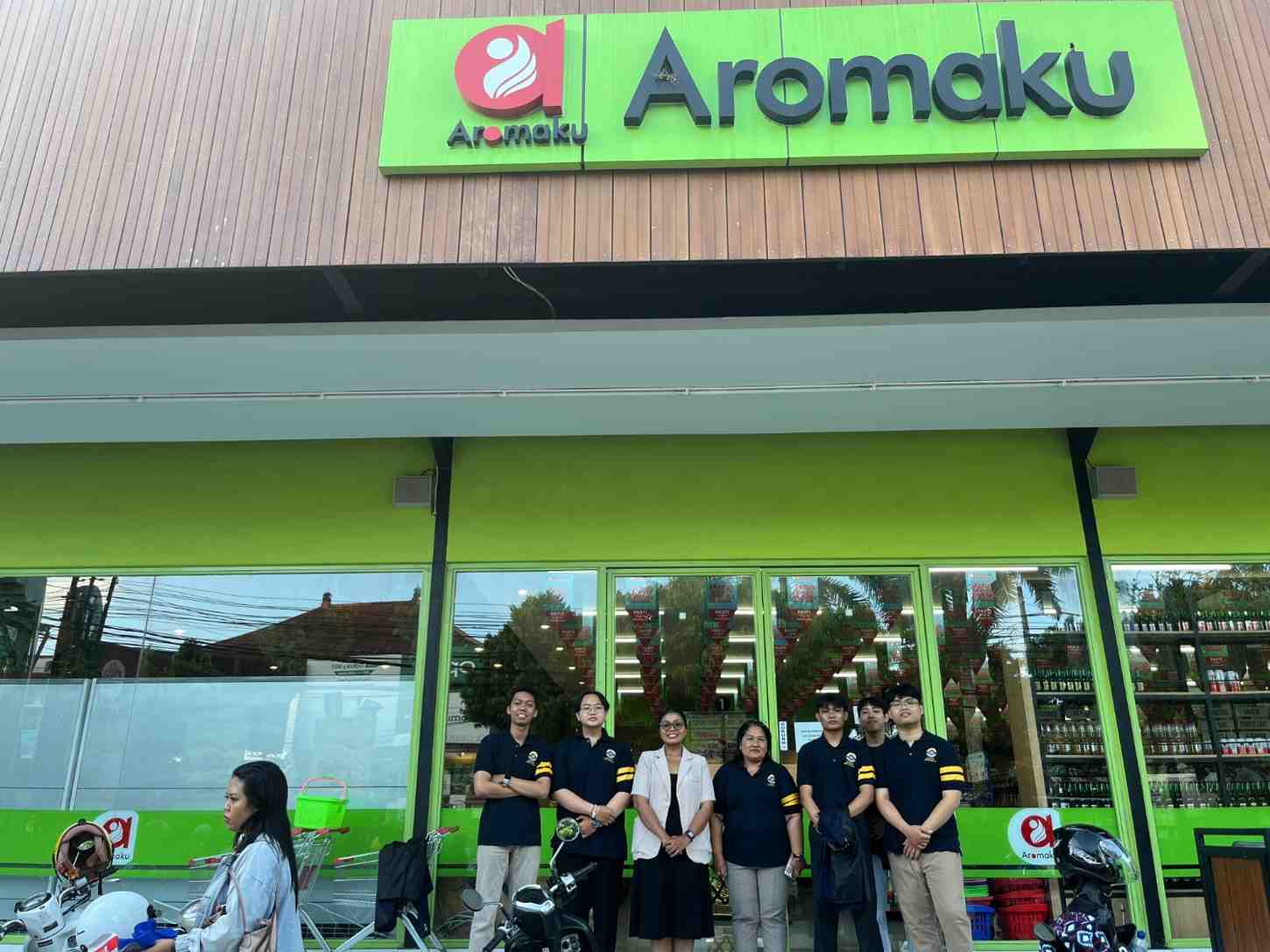
Meanwhile, to apply the practical and operational business knowledge that I had acquired, I had the opportunity to undertake an internship with an external entrepreneurial partner, PT Aromakue Investaniaga Bersama, headquartered in Gianyar Regency, Bali. Under the leadership of Mrs. Luh Ketut Alit Andriyani, PT Aromakue is a retail company engaged in the sale of baking ingredients, bakery equipment, and the management of minimarkets and supermarkets with an extensive branch network throughout Bali. Learning directly from an established company such as PT Aromakue provided me with a comprehensive perspective on supply chain management and professional customer service standards. For a full 18 weeks, my daily schedule was filled with intensive and challenging activities. We completed asynchronous learning modules through the OASE platform. I still vividly remember how the materials delivered by Mr. Deka Isnadi broadened my understanding of the importance of persuasive copywriting, a writing skill used to convince investors and attract customers through the power of words, the principle of scarcity, and effective calls to action.
My problem-solving abilities were also put to the test while studying Problem Solving through the Root Cause Analysis method with Mrs. Riri Hapsari. During these sessions, I learned to identify the root causes of operational problems using Kaoru Ishikawa’s Fishbone Analysis technique, which categorizes issues into aspects such as people, machines, methods, materials, measurements, and the environment. The learning journey did not stop there. I also gained knowledge about Transformational Leadership, Agile Ways of Working using Sprint Planning and Retrospective systems, as well as technical skills in presentation design and the use of free image add-ins.
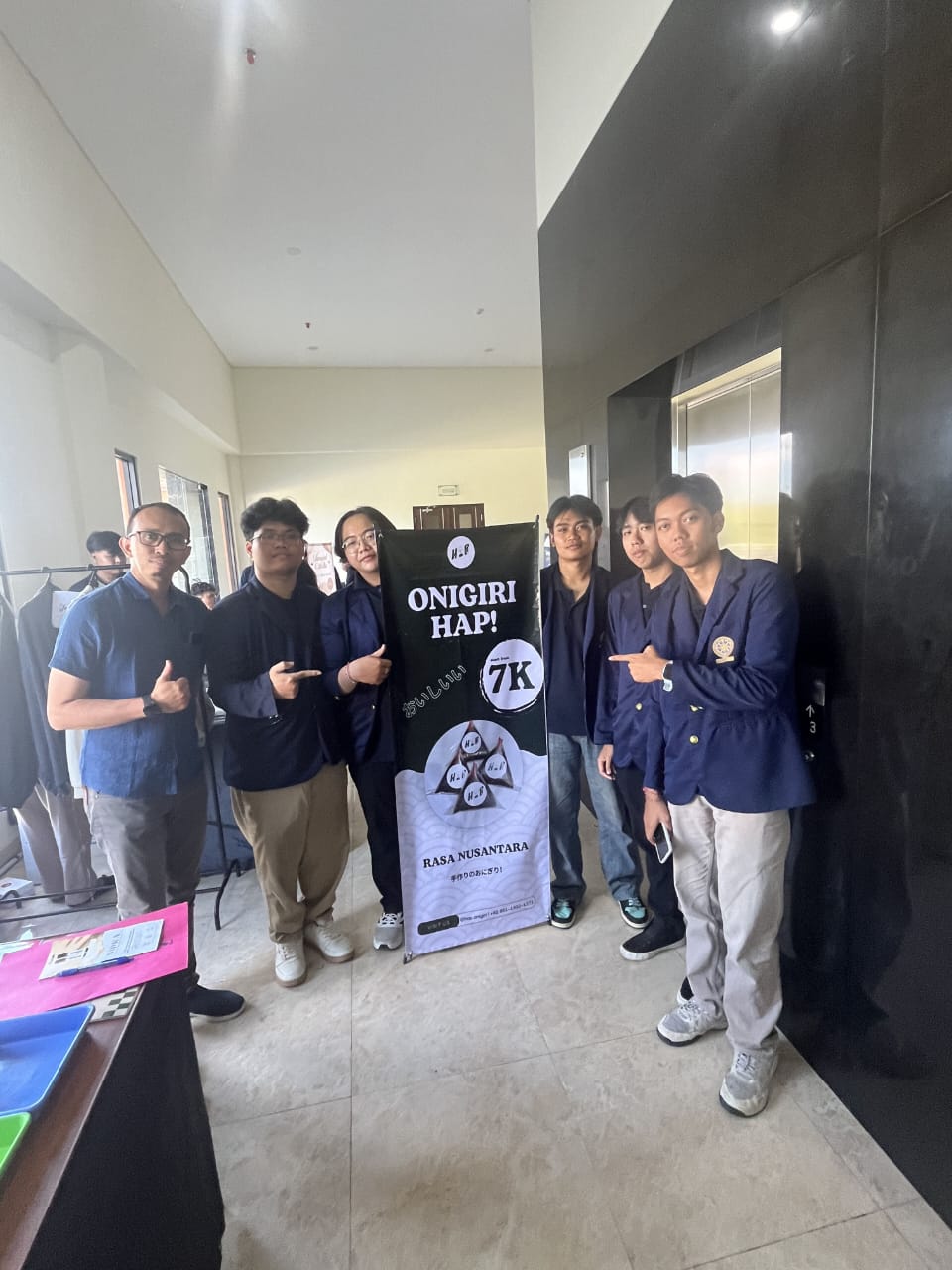
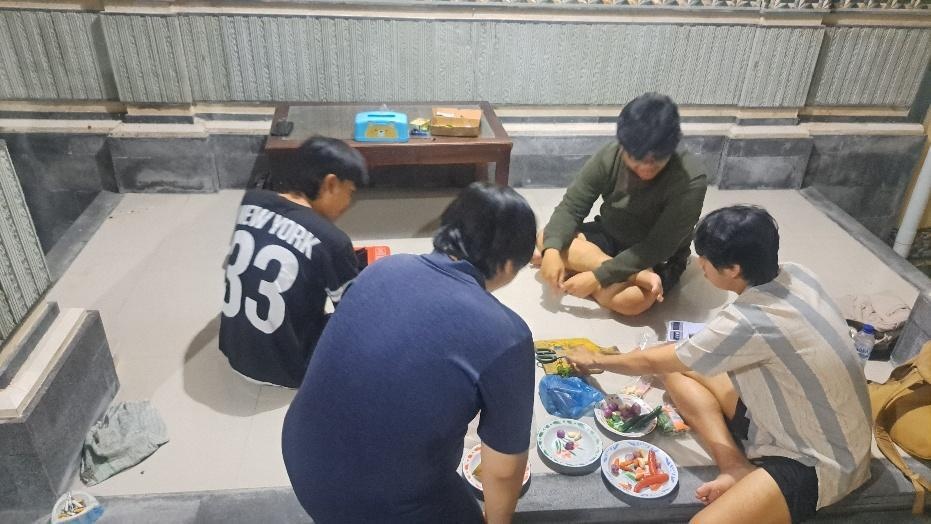
The culmination of this entire theoretical learning process was when my team and I designed an innovative culinary business idea called "Onigiri Nusantara," which we later launched under the brand name "Hap Onigiri." Inspired by my academic background in Japanese Literature, we sought to combine the practicality of Japanese rice balls with the familiarity of Indonesian local flavors. We modified traditional onigiri by creating various local fillings, including Balinese Betutu Chicken, Green Chili Anchovies, Kaffir Lime Chicken, and Sweet Stir-fried Tempeh. We designed this business as a practical, delicious, and filling food solution for people with high mobility in Denpasar City, especially fellow university students and working professionals. Our operational process began with a series of fairly complex initial stages, including recipe experimentation, flavor refinement, sourcing raw ingredients from local markets, and designing hygienic and attractive packaging. We also developed digital marketing strategies and conducted direct selling around university campuses and student boarding house areas. The moment that made me the proudest was when our "Hap Onigiri" product successfully passed the selection process and was showcased at the Entrepreneur Hub organized by the Ministry of Cooperatives and Small and Medium Enterprises of the Republic of Indonesia. In addition, we had the opportunity to present our business before our Field Supervisor (Dosen Pembimbing Lapangan/DPL) and the university examination panel.
Personally, the benefits I gained from participating in this Independent MBKM Program were tremendous. First, I experienced a significant improvement in my practical skills (hard skills), particularly in managing business operational workflows and maintaining product quality. Second, I gained real-world experience in problem-solving when operational challenges arose during business activities. Third, my managerial and communication skills were sharpened through the implementation of adaptive entrepreneurial strategies. Furthermore, my professional network expanded as I established connections with retail industry practitioners, experienced business mentors, and fellow student entrepreneurs. All of these valuable experiences greatly strengthened my mental readiness to face competition in the professional world as well as to establish my own business in the future.
Participating in the Independent Entrepreneurship Program at Udayana University was, without a doubt, one of the best decisions I made during my university years. This program proved to me that even a literature student is fully capable of becoming a resilient entrepreneur. The experiences of repeatedly refining our onigiri recipes, calculating unit costs, and working through exhaustion with my team while preparing for exhibitions became invaluable moments that shaped my independence and resilience. I am sincerely grateful to the MBKM organizing committee, my supervising lecturers, and our industry partner for guiding me throughout this journey. For the future implementation of the program, I hope that the administrators of the learning platform will ensure that all learning modules are uploaded in a well-organized and complete manner to provide a smoother learning experience for students. As for my fellow students, never be afraid to step outside your comfort zone. The MBKM Program is a golden opportunity to learn and grow. Remember that great innovations are often born from the courage to combine the knowledge we possess with the real needs of society. If I could combine Japanese Literature with the rich flavors of the Indonesian archipelago to create a business opportunity, then you can certainly create your own remarkable innovations as well!
Gallery
UDAYANA UNIVERSITY