 ENG
 INA
Japanese Studies Program Holds Japanese Language Teaching Workshop for Prospective LPK Instructors to Mark 21st Anniversary
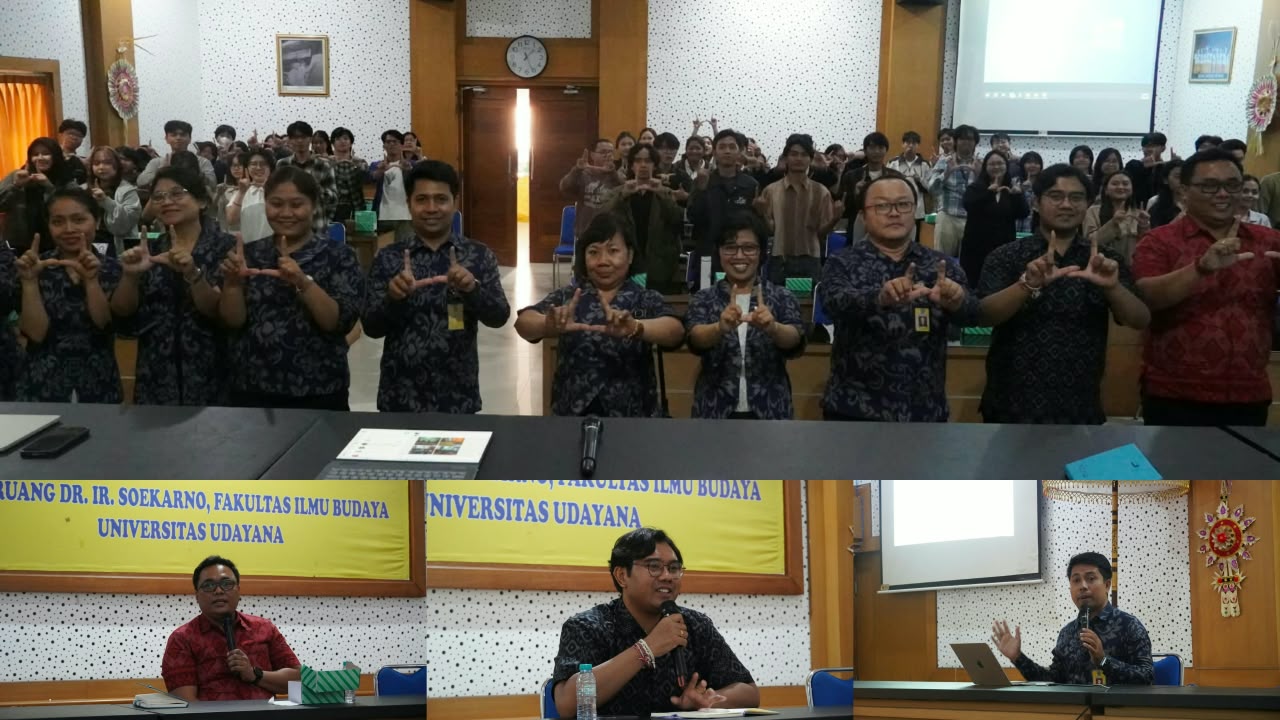
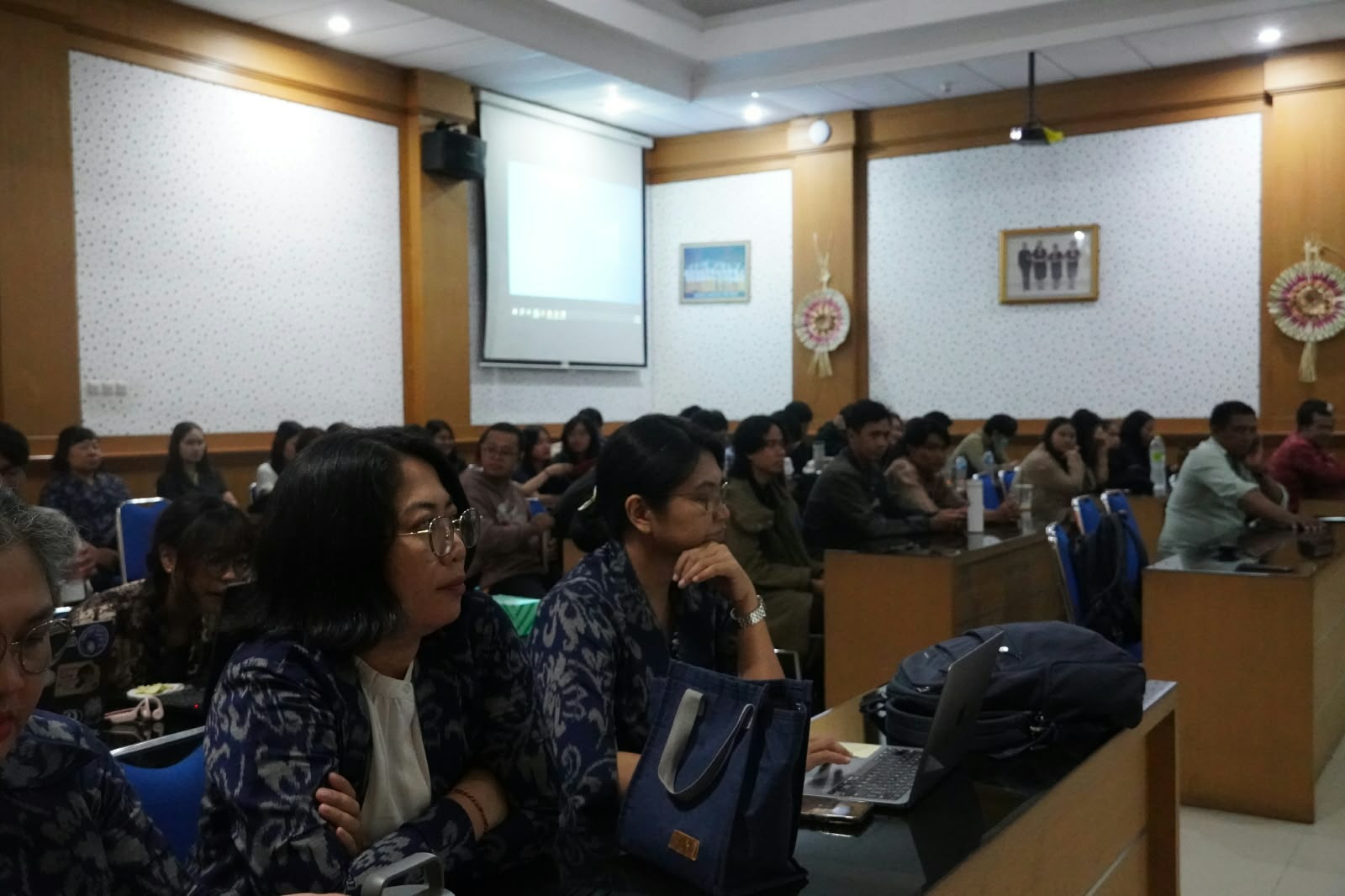
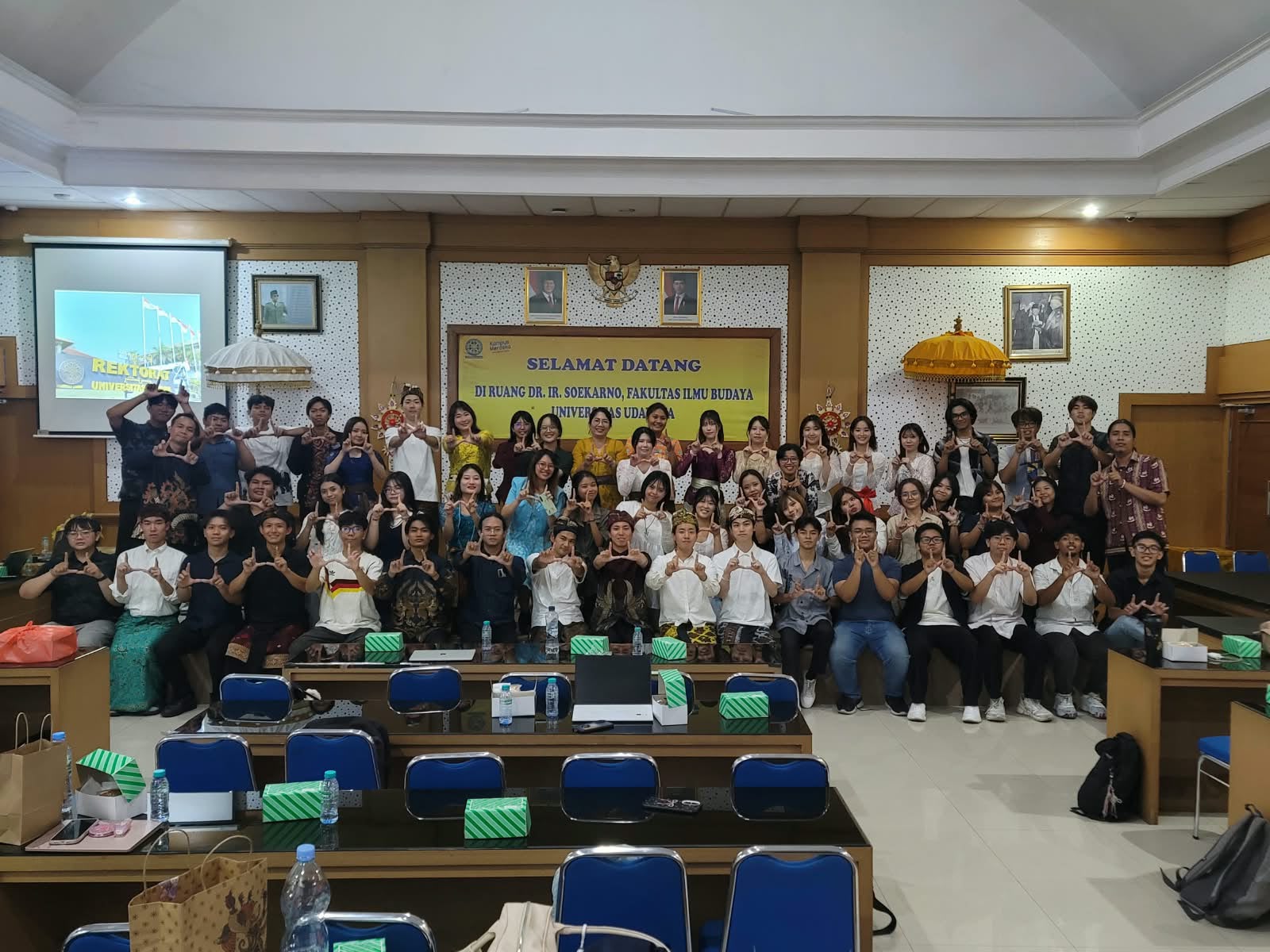
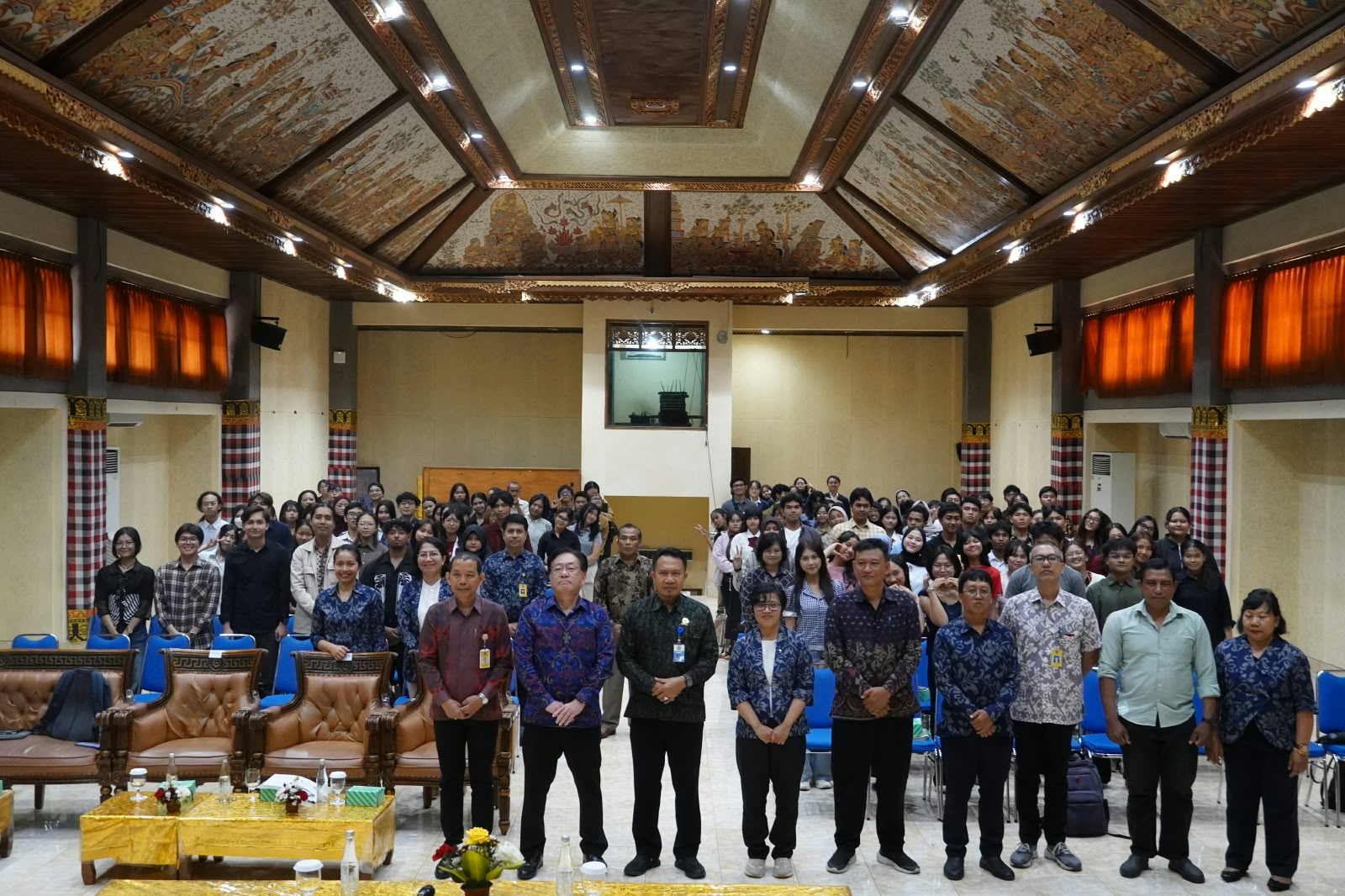
As part of its 21st anniversary celebrations, the Japanese Studies Program at the Faculty of Humanities, Udayana University (FIB Unud), in collaboration with The Japan Foundation, held a workshop on Japanese Language Teaching Skills for Prospective Instructors at Vocational Training Institutions (LPKs) on Tuesday, October 6, 2026. The event took place in the Soekarno Room on the FIB Unud campus and aimed to equip students, particularly those in their final year, with the skills needed to pursue careers as Japanese language instructors at vocational training institutions (Lembaga Pelatihan Kerja, or LPKs).
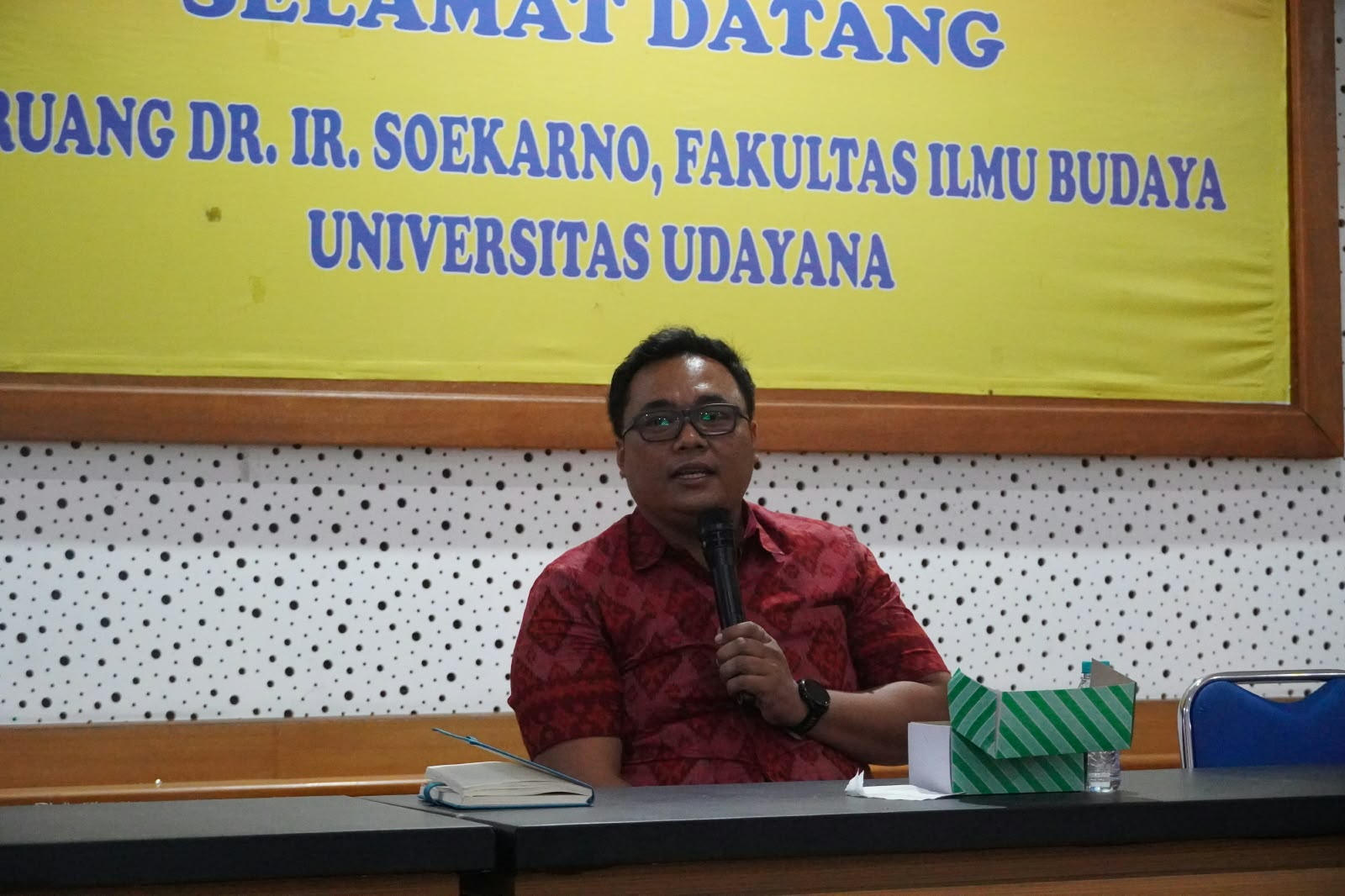
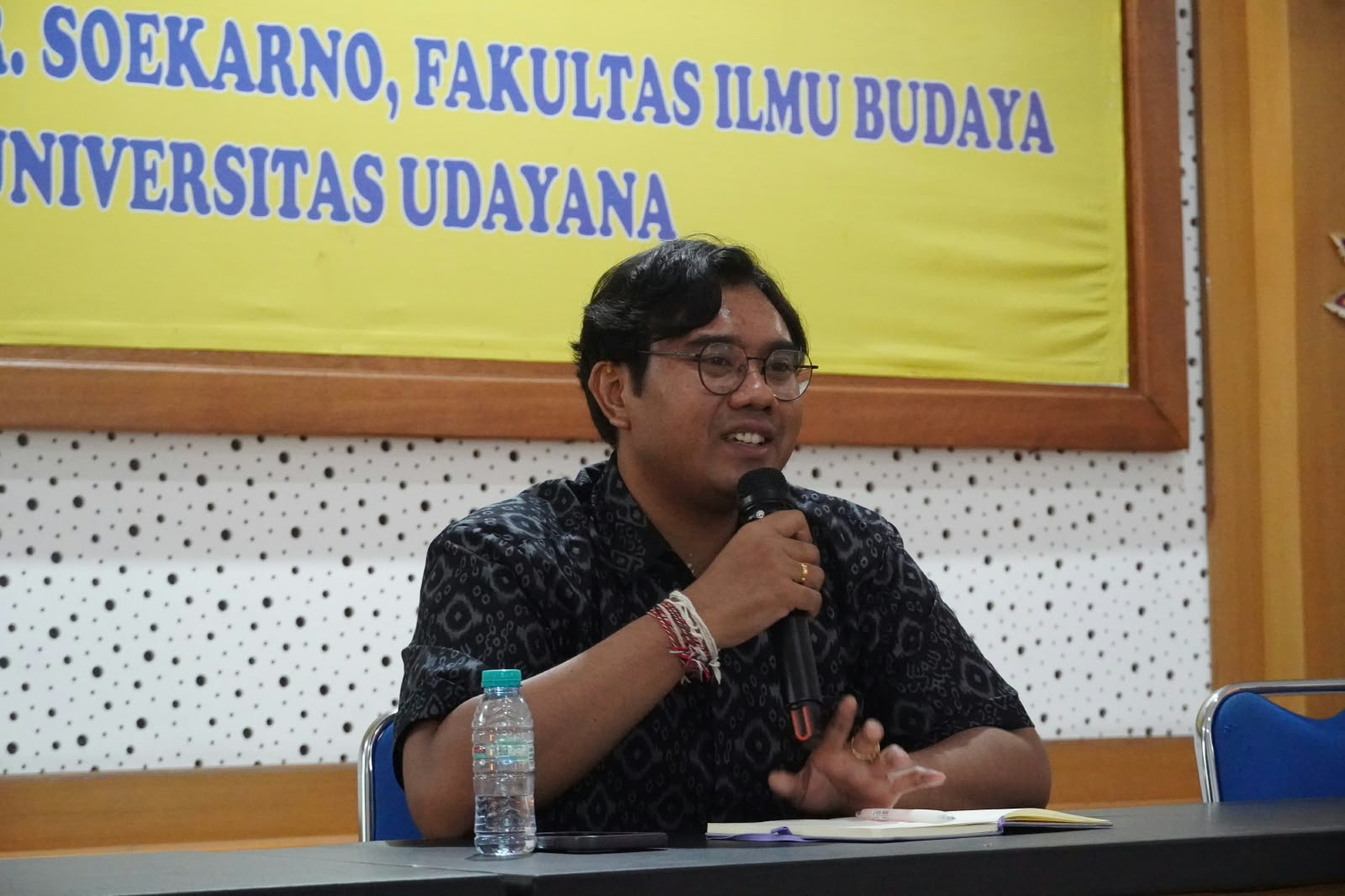
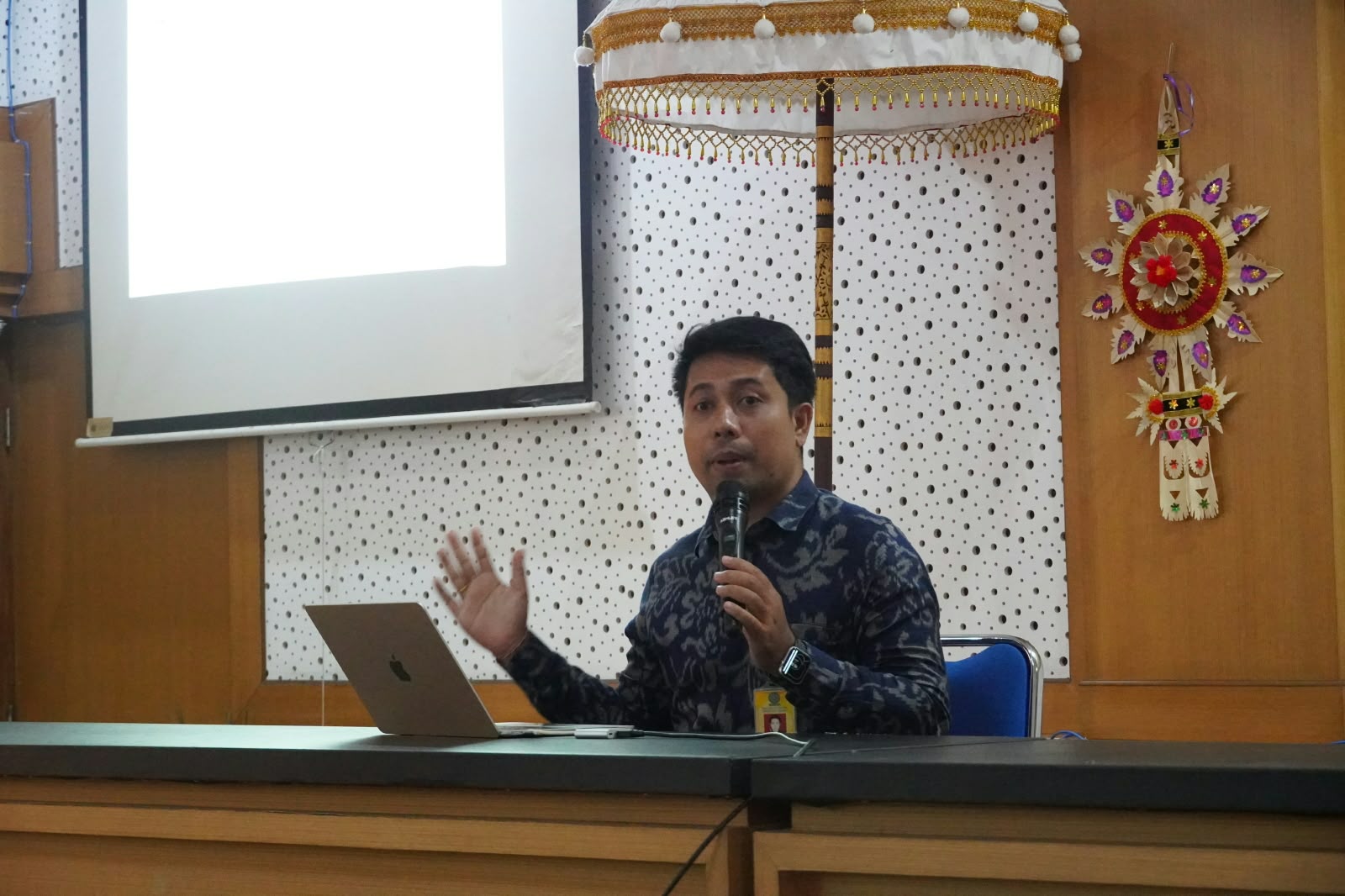
The workshop featured three speakers from professional and academic backgrounds: I Made Sukadana Antara, Director of Bali Japan International College; I Gede Boy Sistha Nanda Dipraja, S.S., M.Hum., Head of LPK Ganesha Karya Abadi; and Dr. Ngurah Indra Pradana, S.S., M.Hum., a lecturer at FIB Unud. The event began with opening remarks by Dr. Silvia Darmayanti, S.S., M.Hum., Coordinator of the Japanese Studies Program, before being officially opened by Dr. Gede Oeinada, S.S., M.A., Ph.D., Vice Dean I of FIB Unud.
In the first session, I Made Sukadana Antara outlined industry expectations for prospective Japanese language instructors, emphasizing Japanese proficiency equivalent to at least JLPT N3, effective teaching skills, professional ethics, and discipline. The second speaker, I Gede Boy Sistha Nanda Dipraja, S.S., M.Hum. discussed developments in Japanese language teaching in the digital era, including the shift toward learner-centered approaches, the responsible use of technology and artificial intelligence (AI), and the use of Irodori as a teaching resource.
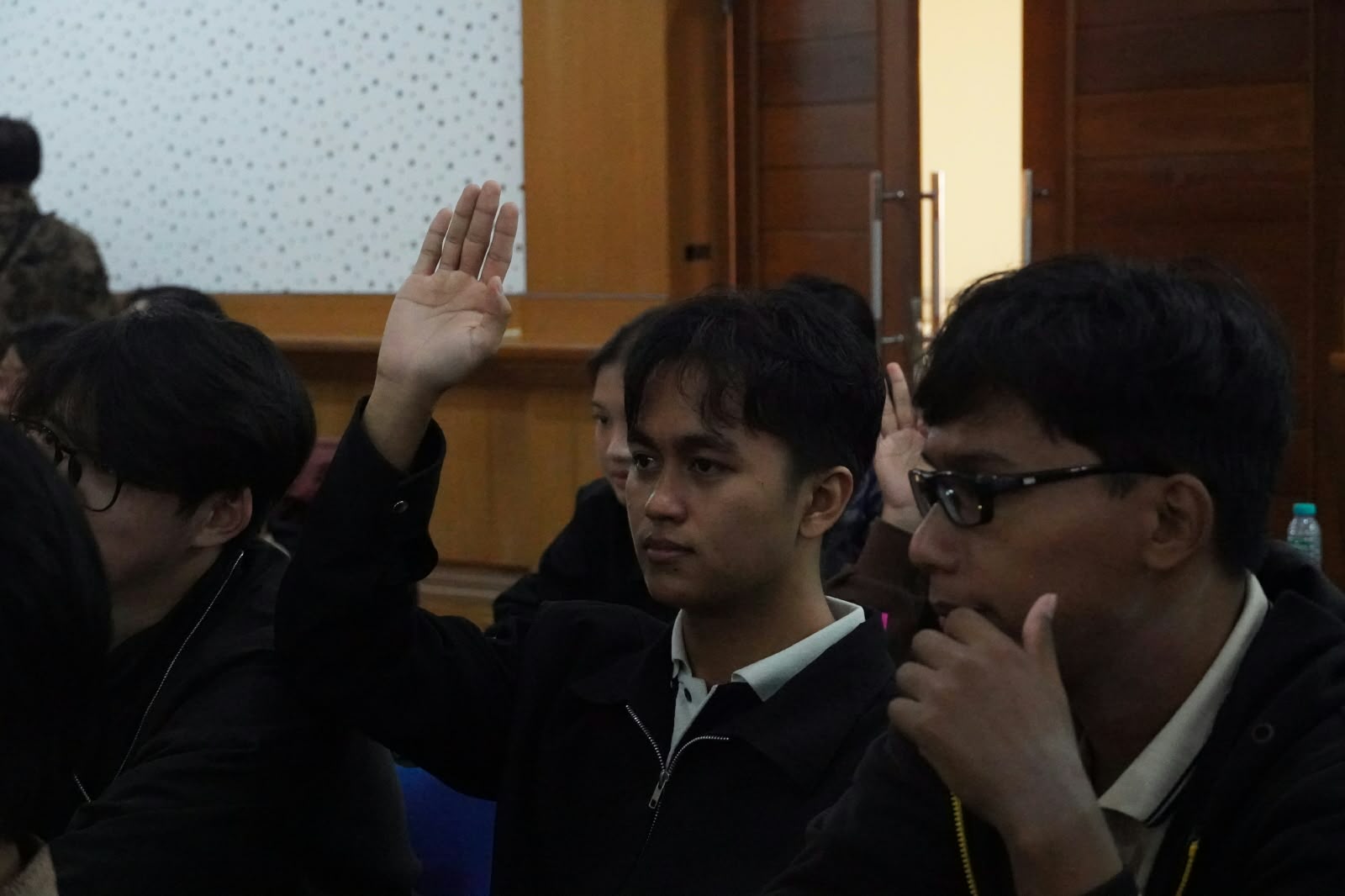
The final session was led by Dr. Ngurah Indra Pradana, S.S., M.Hum. who introduced the Can-Do approach under the Japan Foundation Standard (JF Standard). This approach focuses on learners’ ability to use Japanese to accomplish specific tasks in real-life situations. In addition to learning about the framework, participants took part in practical exercises on developing learning assessment tools and engaged in discussions with the speakers.
Through this workshop, students are expected to gain a deeper understanding of Japanese language teaching practices and strengthen their readiness to enter the workforce, particularly as professional Japanese language instructors at vocational training institutions.
Gallery
UDAYANA UNIVERSITY